
How to Make White Chocolate With 3 Ingredients

Learn how to make creamy homemade white chocolate using just three pantry-friendly ingredients and simple equipment. Perfect for gifts, baking, or a sweet treat.
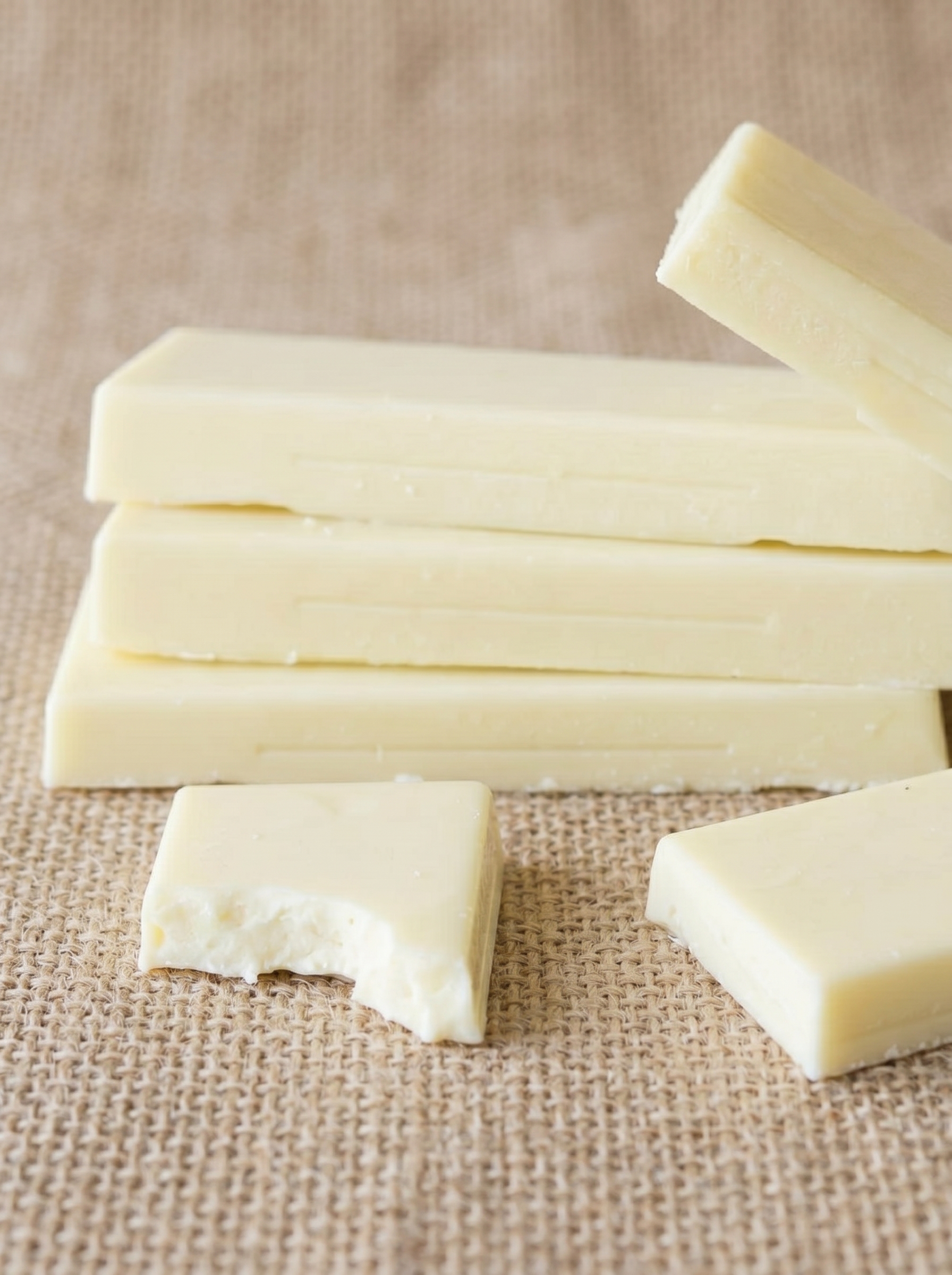
This simple, three-ingredient white chocolate is one of those discoveries that changed the way I think about homemade confections. I first tried this method on a quiet weekend when I had cocoa butter and milk powder on hand and wanted a quick project that didn’t demand tempering or complicated equipment. The result was a sweet, creamy slab of white chocolate with a satisfying snap and a velvety mouthfeel that made everyone at the table smile. It’s not as ultra-silky as mass-produced chocolate unless you use a melanger, but the flavor is clean, buttery, and nostalgic—exactly what you'd expect from classic white chocolate.
What I love about this version is how forgiving it is: three straightforward ingredients, just a little melting and blending, and you have a bar ready to set in under an hour. Over the years I’ve tweaked the grind of the sugar and milk powder and experimented with molds and flavor additions, and each time the base process has held up beautifully. Whether you want to make small gifts, experiment with inclusions like citrus zest or toasted nuts, or simply learn the fundamentals of making chocolate from cocoa butter, this method is a wonderful place to start.
Why You'll Love This Recipe
- This method uses only three ingredients and takes about 45 minutes from start to finish, making it an excellent quick project for a weekend afternoon or a last-minute gift.
- Ingredients are pantry-friendly and easy to source online or at specialty stores; the process requires no tempering or specialized chocolate-making experience.
- It’s highly customizable—add vanilla, citrus, or spice at the end, or fold in toasted nuts or freeze-dried fruit for texture and color.
- Make-ahead friendly: bars store well at room temperature in an airtight container or freeze for longer storage, so you can prepare batches in advance.
- Perfect for bakers who want a white chocolate element without buying expensive commercial bars; melt, mix, and pour for ganache, drizzle, or molded bars.
Personally, I remember the first time I un-molded a bar: the little imperfections and the slightly grainy texture from my home grinder felt incredibly charming. Friends preferred the rustic homemade character, and my kids loved the sweet richness. Over time I learned to grind the sugar and milk powder finer and to use a melanger for a truly polished finish; but for everyday treats, this three-ingredient approach delivers comfort and flavor every time.
Ingredients
- 1/2 cup cocoa butter: Use food-grade cocoa butter in solid form. Look for a clean, white or pale cream block with a mild cocoa aroma. Brands like Olivenation or specialty baking suppliers work well. Cocoa butter provides the fat body and glossy finish—do not substitute with other fats if you want the signature flavor.
- 1/2 cup whole milk powder: Choose a high-quality, full-fat milk powder for the creamy dairy notes. Nonfat powder will yield a drier texture. A dairy powder labeled "whole milk powder" yields the best melting and flavor characteristics.
- 1/2 cup granulated or powdered sugar: Fine granulated sugar works fine if you plan to grind it with the milk powder; confectioner's (powdered) sugar can be used if it lacks cornstarch, but bars made with cornstarch-containing powdered sugar will still work in a pinch. Adjust sweetness slightly—many prefer 5% less sugar for a creamier, less cloying result.
Note on measurements: this recipe uses simple U.S. cup measures so it’s easy to scale. The proportions are equal by volume: 1/2 cup cocoa butter, 1/2 cup milk powder, 1/2 cup sugar. If you want a richer mouthfeel, reduce the sugar by a tablespoon or two.
Instructions
Step 1 — Grind the dry ingredients: Place the whole milk powder and sugar into a food processor, high-speed blender, or coffee/spice grinder. Pulse and grind for 1 to 2 minutes until the mixture feels very fine between your fingers. The finer the grind, the smoother the final bar will be; this reduces the chance of a gritty texture in the finished product. Step 2 — Melt the cocoa butter: Set a heatproof bowl over a pot with about an inch of simmering water so the bottom of the bowl does not touch the water (double-boiler method). Place cocoa butter in the bowl and stir gently as it melts with medium heat. Alternatively, microwave in 20–30 second bursts, stirring between each burst until fully melted. Keep the temperature moderate—avoid overheating; 100–110°F is plenty to melt the butter without degrading flavor. Step 3 — Combine and blend: Carefully pour the melted cocoa butter into your food processor or blender containing the ground milk-sugar mixture (do not add hot liquid to a spice grinder). Blend for 15–30 seconds until the mixture comes together into a smooth, glossy emulsion. If you want vanilla or a pinch of salt, add a drop of vanilla extract or 1/8 teaspoon fine salt at this stage and blend briefly to incorporate. Step 4 — Mold and set: Pour the warm mixture into a candy-bar mold or silicone mold. Tap the mold gently to release trapped air bubbles and level the surface with a spatula. Transfer to the refrigerator and chill for about 30 minutes until fully set through. Room temperature setting is possible but slower and may leave a softer texture. Step 5 — Unmold and enjoy: Remove the set bars from the mold and allow them to come to cool room temperature for a few minutes before serving. Store in an airtight container at room temperature away from heat and direct sunlight, or freeze for long-term storage.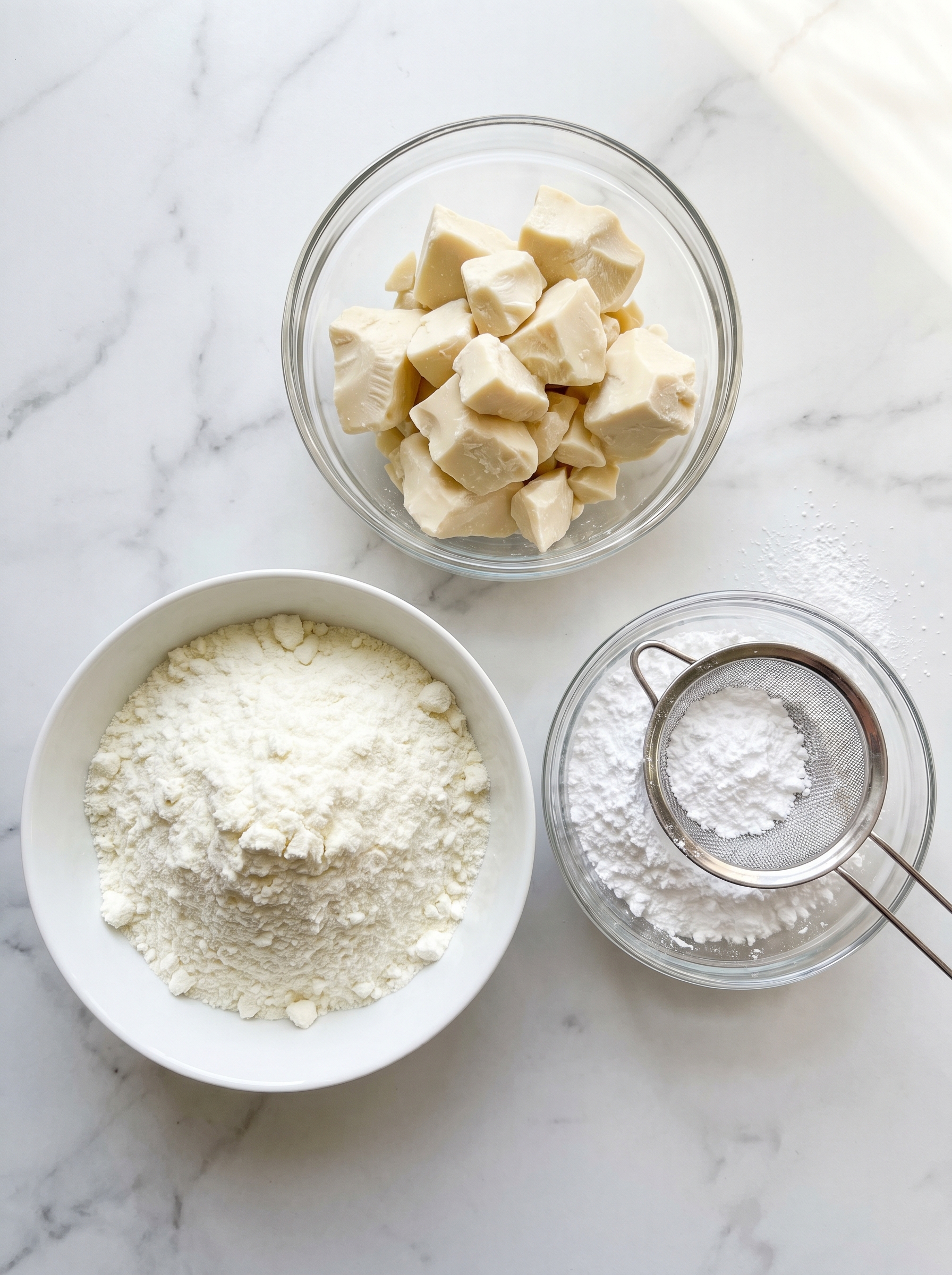
You Must Know
- This preparation is quick—active time about 15 minutes; total time including cooling roughly 45 minutes, so it’s ideal for an afternoon project without a long wait.
- Homemade bars typically won’t be as satin-smooth as commercial chocolate unless you have a stone melanger to grind ingredients extremely finely; expect a pleasant, slightly rustic texture otherwise.
- Bars keep well at room temperature in an airtight container for a couple of weeks; refrigeration or freezing extends shelf life but can cause slight condensation when returning to room temperature.
- This recipe is dairy-containing, so it is not suitable for people with milk allergies. It is gluten-free provided ingredients are uncontaminated—check labels if sensitive.
What I love most is the adaptability: swap in citrus oil for bright notes, add toasted pistachios for color and crunch, or shave into sauces for a quick white chocolate drizzle. Family members always ask for variations, and the process has become my go-to for customized chocolates at holidays and parties. The ritual of melting, blending, and watching the pale chocolate set is oddly calming and endlessly rewarding.
Storage Tips
Store finished pieces in an airtight container at cool room temperature (60–68°F) away from direct sunlight. For longer storage, freeze in a ziploc or vacuum-sealed bag; separate layers with parchment to prevent sticking. When moving from freezer to room temperature, allow bars to come up to temperature inside their closed container to avoid condensation forming on the surface, which can dull the sheen. Refrigeration is acceptable in hot climates but may cause slight bloom, so bring chilled bars to room temperature before serving for the best flavor and texture.
Ingredient Substitutions
If you can’t find cocoa butter, do not substitute vegetable shortening or butter—those change the flavor and melting properties. For a dairy-free version, swap whole milk powder for a non-dairy alternative like full-fat coconut milk powder, keeping in mind the flavor will shift. Use powdered sugar or finely ground granulated sugar; if your powdered sugar has cornstarch, the texture will still work but won’t be as authentic. For sweetness adjustments, reduce sugar by up to 5% and test the balance before setting.
Serving Suggestions
Serve plain bars with tea or coffee, or chop and use as a topping for cakes, muffins, or ice cream. For gift-giving, wrap individual bars in parchment and tie with baker’s twine. Pair white chocolate with tart flavors like raspberry or passion fruit to cut richness, or match with toasted nuts and flaky sea salt for a sophisticated bar. Melt a portion for drizzling over fruit or to create a white chocolate ganache for cupcakes and tarts.
Cultural Background
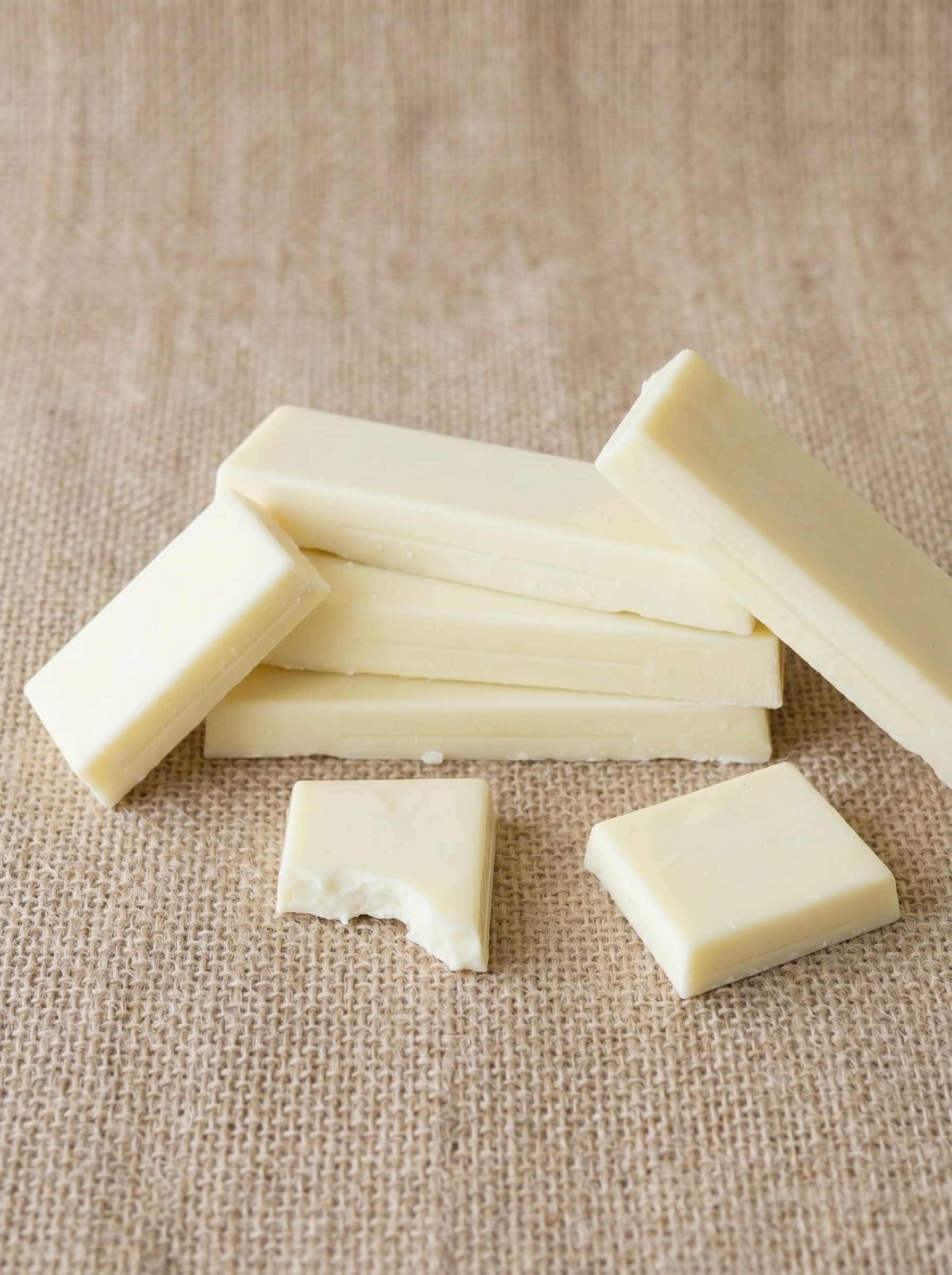
White chocolate is a modern invention compared to dark and milk chocolate; it uses cocoa butter without cocoa solids, giving it a pale ivory hue and a sweet, milky profile. While it’s not "chocolate" in the strictest sense by some standards because it lacks cocoa solids, it has become a beloved confection in European and American baking traditions, often used for confections, paired with fruit, and incorporated into luxury sweets in French pastry kitchens. Making it at home highlights the role of cocoa butter as the primary flavor and fat carrier.
Seasonal Adaptations
In winter, fold in crushed peppermint and dip edges in dark chocolate for a festive contrast; in spring, add citrus zest or lavender for floral brightness. For fall, stir in a pinch of cinnamon and nutmeg or fold in candied ginger. The base emulsion takes flavor additions well—add oils or extracts sparingly, as they are highly concentrated. For holiday gifting, press toasted seeds or edible flowers onto the surface before chilling for a decorative finish.
Meal Prep Tips
Make larger batches and portion into small molds to create individual servings you can grab for baking or snacking. Freeze extras flat in parchment-lined trays, then transfer to a sealed bag once solid. If you plan to use the chocolate for baking, break into small disks and keep at room temperature to melt easily when added to batters or sauces. Label containers with the date; frozen bars are best used within three months for optimal flavor.
Homemade white chocolate is an approachable project that rewards curiosity. Its simplicity makes it a great stepping stone into more involved chocolate-making techniques, and I hope you enjoy customizing and sharing your bars as much as I do.
Pro Tips
Grind the milk powder and sugar as finely as possible to reduce graininess in the finished product.
Use a double boiler or low-power microwave bursts to gently melt cocoa butter without overheating.
If you have a chocolate melanger, use it for several hours for a truly silky texture; otherwise blend thoroughly and accept a slightly rustic mouthfeel.
When unmolding, let bars sit at room temperature a few minutes to avoid bloom from temperature shock.
This nourishing how to make white chocolate with 3 ingredients recipe is sure to be a staple in your kitchen. Enjoy every moist, high protein slice — it is perfect for breakfast or as a wholesome snack any time.
Tags
Recipe data validation failed
Please check the recipe data format. See console for details.
Categories:
You might also like...

Spicy Chicken and Jalapeño Thin Crust Pizza
Easy homemade thin-crust three-cheese spicy chicken and jalapeño pie — a flavor-packed pizza with a satisfying kick, perfect for pizza night or game day.
Creamy Pesto BLT Pasta Salad
A bright, creamy BLT pasta salad tossed with basil pesto, fresh greens, cherry tomatoes, and crisp bacon—perfect for warm-weather gatherings and meal prep.

Bang Bang Shrimp Pasta
Tender sautéed shrimp tossed with spaghetti and a creamy sweet-spicy bang bang sauce—ready in under 30 minutes for a weeknight favorite.
Did You Make This?
Leave a comment & rating below or tag @royalrecipe on social media!
Rate This Recipe
Share This Recipe
Enjoyed this recipe? Share it with friends and family, and don't forget to leave a review!
Comments (1)
This recipe looks amazing! Can't wait to try it.
Comments are stored locally in your browser. Server comments are displayed alongside your local comments.
Hi, I'm Amara!
What's Popular

30-Minute Meals!
Join to receive our email series which contains a round-up of some of our quick and easy family favorite recipes.