>>
30-MINUTE MEALS! Get the email series now →


Light, tender, and perfectly nubbly English muffins you can make at home with simple pantry ingredients — soft inside, crisp outside, and ideal for breakfasts and sandwiches.
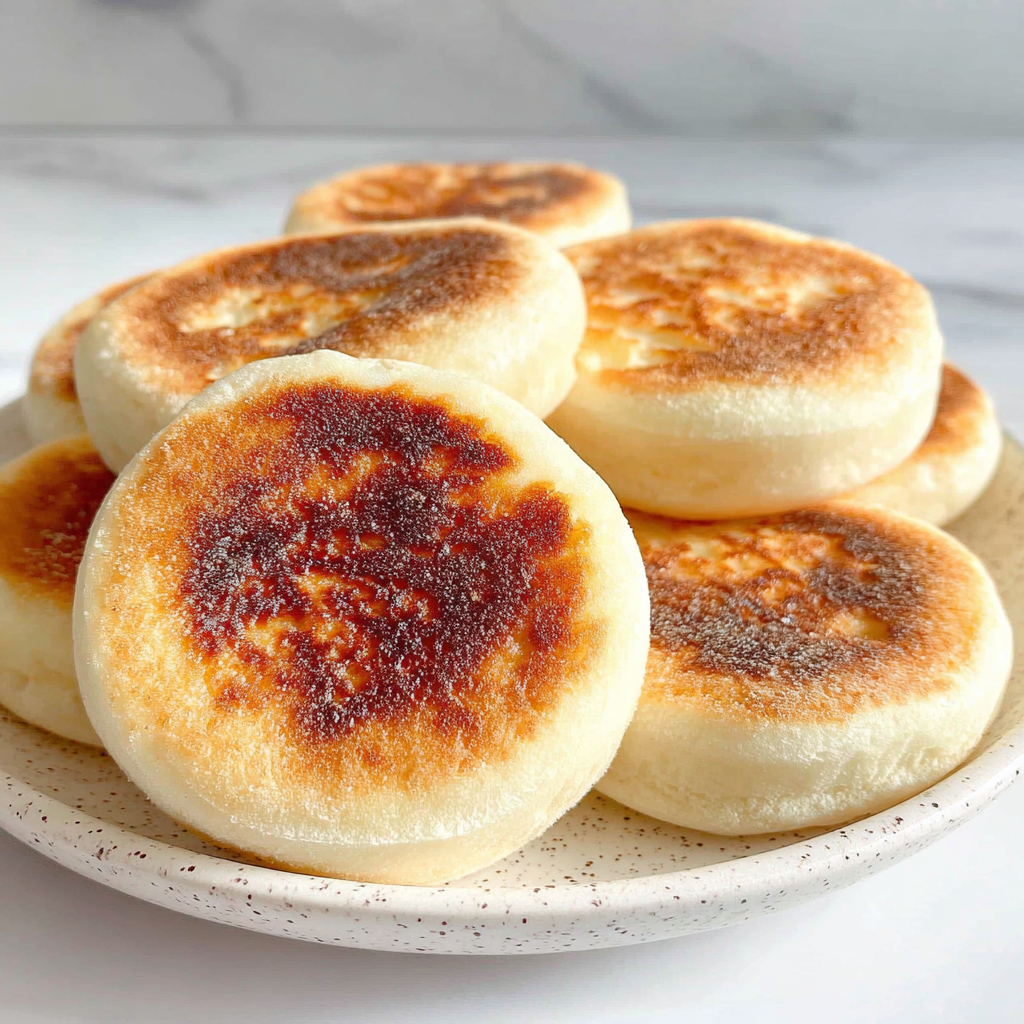
These homemade English muffins are seriously the best. I discovered this particular method during a rainy weekend when I had a craving for a warm, craggy muffin split and slathered with butter and jam. The first batch puffed up in the skillet and the house smelled like a cozy bakery — my partner and I sat at the counter, tearing them open while they were still warm. The texture is what sold me: a tender, slightly chewy interior with pockets that soak up butter and olive oil, and a thin, golden exterior that crisps under a hot skillet.
What makes these special is the balance between minimal fuss and maximum reward. There’s no need for a griddle or specialized ring molds; a heavy skillet and a little patience are all you need. The dough is slightly tacky, which helps create those classic nooks and crannies when cooked gently. I usually make a double batch on weekends and freeze extras — they toast beautifully and revive into a breakfast that feels indulgent but is easy to prepare. These are also wonderfully adaptable: add herbs, cheese, or swap white flour for a portion of whole wheat for added depth.
In my kitchen these are a family favorite: the kids love tearing them open and piling on nut butter, while guests marvel at how bakery-quality they taste with so little fuss. I often make extra to keep in the freezer for busy mornings when everyone still wants something homemade.

My favorite thing about these muffins is how they bring people together. I’ve had friends fly in early just to have a breakfast of freshly cooked muffins and coffee; people always linger longer when food like this is on the table. They’re one of those easy-to-share recipes that feel cozy but impressive.
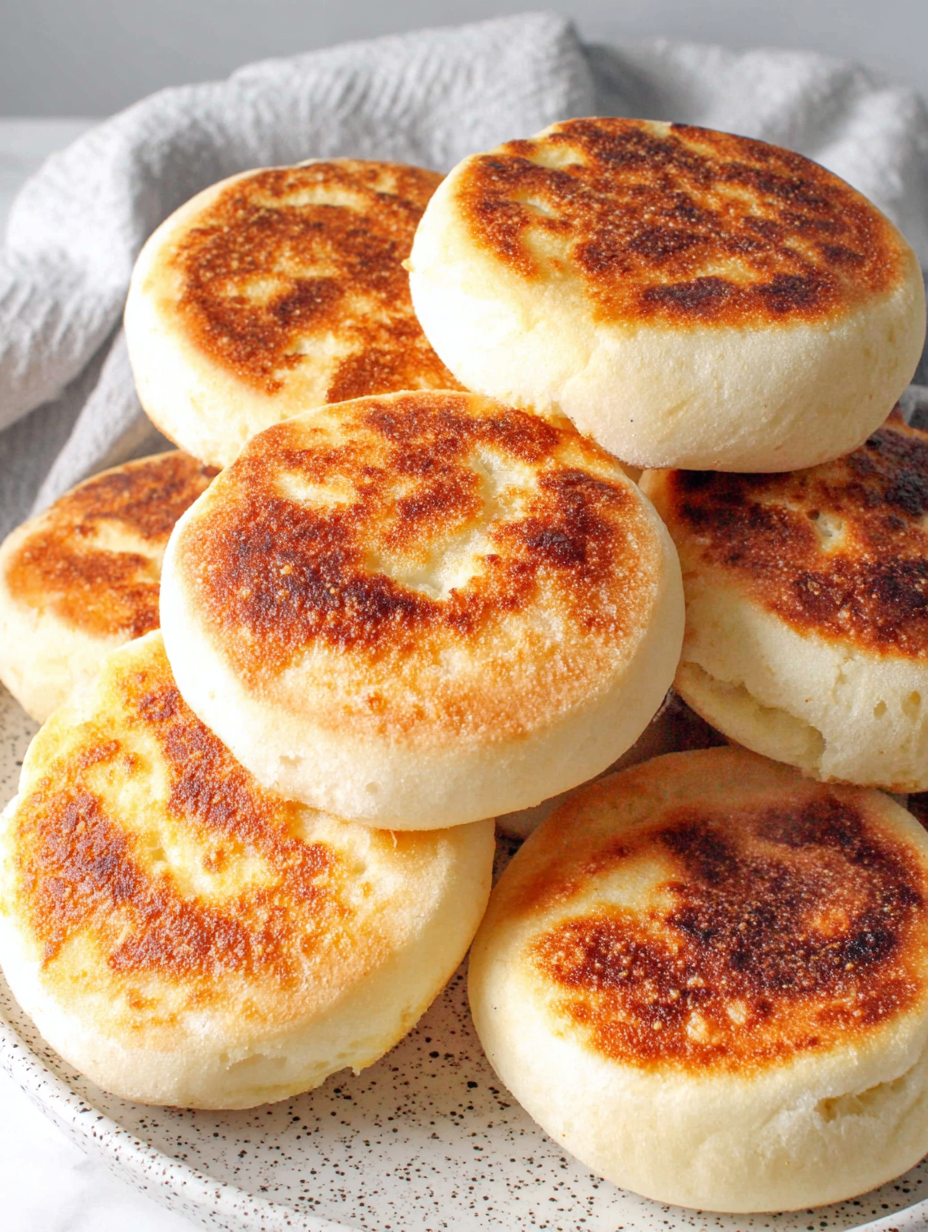
Store cooled muffins in an airtight container at room temperature for up to 2 days. For longer storage, freeze in a single layer on a baking sheet until solid, then transfer to a zip-top bag for up to 3 months. To refresh, toast from frozen or thaw at room temperature and warm in a 350°F oven for 5–7 minutes for a near-fresh result. If refrigerating, expect a slightly drier texture; always reheat before splitting to help revive the interior softness.
Swap whole milk for 1% or plant milk (soy or oat) if you prefer a lighter or dairy-free option — note this adjusts flavor and crumb slightly. Replace up to 1 cup of the all-purpose flour with whole wheat for a nuttier profile, but add 1–2 tablespoons extra liquid if the dough feels dry. For a richer flavor, substitute 1 tablespoon of butter with olive oil; for a sweeter muffin, increase sugar by 1 tablespoon. If you need gluten-free, use a cup-for-cup gluten-free flour blend and expect a denser texture.
Serve halved and toasted with butter and jam, or use as the base for eggs Benedict, stacked with ham and cheddar for a hearty sandwich, or topped with smashed avocado and chili flakes for a modern twist. Pair with freshly brewed coffee or a bright citrusy tea. For brunch gatherings, present a board with jams, honey, smoked salmon, thinly sliced cucumber, and soft cheeses so guests can build their own creations.
English muffins trace their roots to British griddle breads but became an American breakfast staple thanks to home bakers and small bakeries. The classic nubbly interior comes from gentle cooking on a hot surface rather than baking in an oven, a technique that predates modern ovens and reflects resourceful home cooking. Over time the muffin became synonymous with breakfast sandwiches in the U.S., especially after the popularization of toasted versions in diners and fast-food breakfasts.
Autumn: fold in 1/2 cup grated apple and 1 teaspoon cinnamon for a spiced muffin. Winter: add 1/3 cup grated cheddar and 2 tablespoons chopped chives for a savory holiday version. Spring/Summer: fold in 1/2 cup corn kernels and 2 tablespoons chopped basil for a bright seasonal variation. Adjust proofing times slightly when adding wet ingredients, as extra moisture will slow the rise.
Make a double batch and freeze portions individually wrapped for quick breakfasts. Cook them all, cool completely, then slice and flash-freeze cut-side up before bagging. Label with dates and rotate older batches first. For grab-and-go, assemble breakfast sandwiches with cooked eggs and cheese, wrap in parchment, and freeze; reheat in a toaster oven or microwave wrapped in a damp paper towel to prevent dryness.
These muffins are one of those small homemade pleasures that elevate everyday mornings. Try them once and you’ll understand why I keep the cornmeal and a heavy skillet within easy reach.
Warm milk to about 105–110°F (warm to the touch) to activate yeast without killing it.
Use a fork to split the muffins to preserve the internal nooks and crumbs.
If dough is too sticky after kneading, add no more than 1 tablespoon flour at a time to avoid drying the dough.
Proof in a warm, draft-free spot; an oven with the light on works well if your kitchen is cool.
This nourishing homemade english muffins recipe is sure to be a staple in your kitchen. Enjoy every moist, high protein slice — it is perfect for breakfast or as a wholesome snack any time.
Yes — the muffins freeze well for up to 3 months. Thaw at room temperature and toast before serving.
Use room-temperature ingredients and warm milk at about 105–110°F for best yeast activation.
This Homemade English Muffins recipe makes perfectly juicy, tender, and flavorful steak every time! Serve with potatoes and a side salad for an unforgettable dinner in under 30 minutes.
Whisk warm milk, melted butter, beaten egg, and sugar in a large bowl. Add instant yeast and salt and let sit a minute for the yeast to hydrate.
Add flour and knead on medium speed with a dough hook for 7–8 minutes until dough is smooth and elastic. Dough should be slightly tacky; add up to 1 tablespoon more flour only if necessary.
Cover the dough and let rise in a warm spot for 60–90 minutes or until doubled in size.
Punch down, roll to 3/4-inch thick on a floured surface, cut into 2 1/2-inch rounds, and place on a parchment-lined sheet sprinkled with cornmeal.
Cover and let the rounds rise for 30 minutes until noticeably puffed.
Cook on a lightly greased, medium-low skillet, covered, for 7–8 minutes per side until golden brown. Reduce heat if bottoms brown too quickly.
Cool slightly and split with a fork to preserve nooks. Serve warm with butter, jam, or use for sandwiches.
Last Step: Please leave a rating and comment letting us know how you liked this recipe! This helps our business to thrive and continue providing free, high-quality recipes for you.
Leave a comment & rating below or tag
@royalrecipe on social media!

Easy homemade thin-crust three-cheese spicy chicken and jalapeño pie — a flavor-packed pizza with a satisfying kick, perfect for pizza night or game day.

A bright, creamy BLT pasta salad tossed with basil pesto, fresh greens, cherry tomatoes, and crisp bacon—perfect for warm-weather gatherings and meal prep.

Tender sautéed shrimp tossed with spaghetti and a creamy sweet-spicy bang bang sauce—ready in under 30 minutes for a weeknight favorite.
Leave a comment & rating below or tag @royalrecipe on social media!
Enjoyed this recipe? Share it with friends and family, and don't forget to leave a review!
This recipe looks amazing! Can't wait to try it.
Comments are stored locally in your browser. Server comments are displayed alongside your local comments.
Join to receive our email series which contains a round-up of some of our quick and easy family favorite recipes.