
Fail-Proof Egg Custard

A simple, dependable egg custard that never curdles — creamy, lightly spiced, and perfect served warm or chilled. Great for weeknight desserts and make-ahead entertaining.
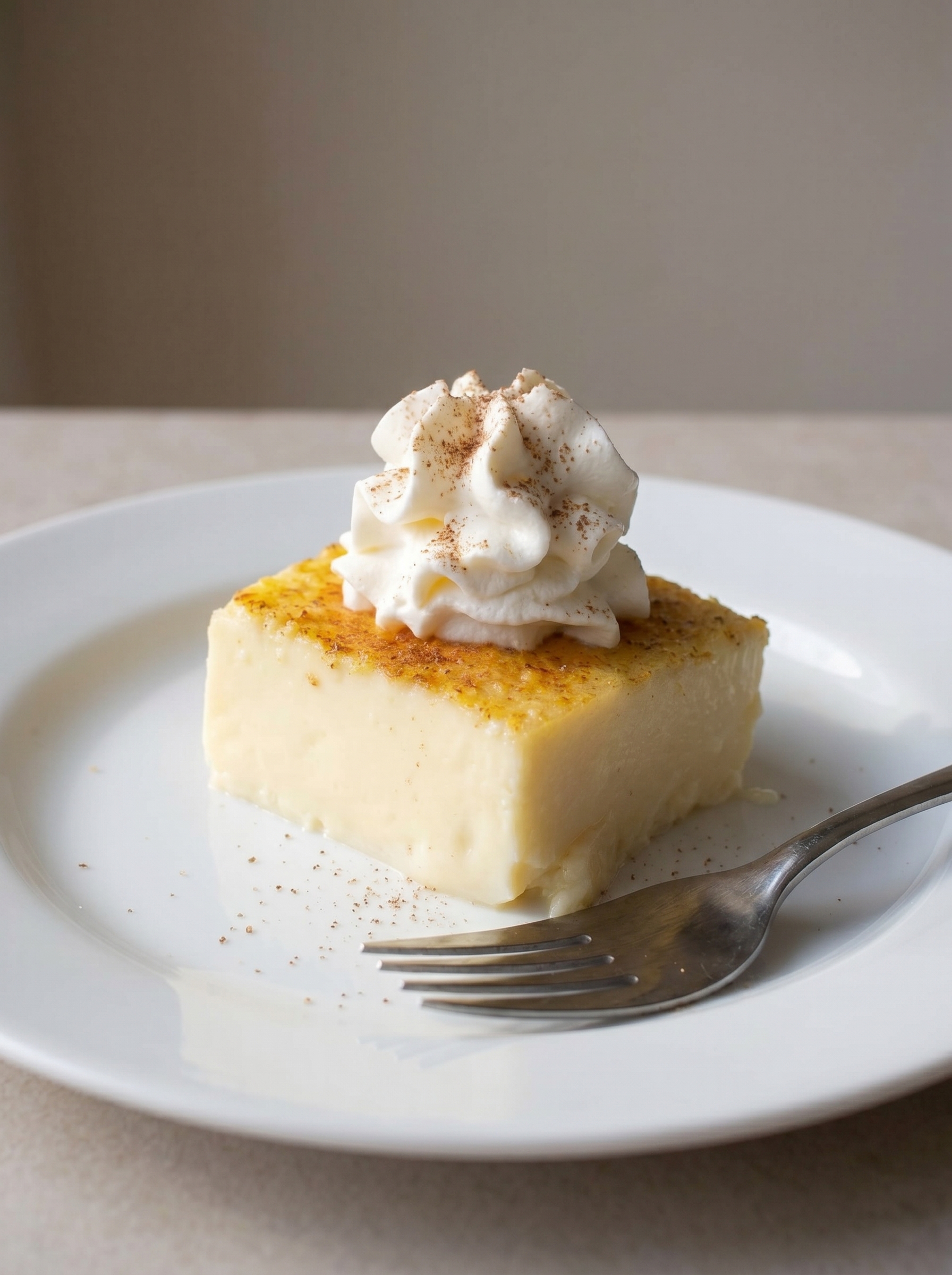
Why You'll Love This Recipe
- Reliable results every time because the eggs are tempered with hot milk and baked in a water bath to prevent curdling and uneven cooking.
- Quick hands-on time — about 15 minutes of prep — with a hands-off baking period so you can prepare other dishes while it sets in the oven.
- Uses pantry and refrigerator staples: eggs, milk, sugar, vanilla, and a pinch of salt — perfect for last-minute dessert needs.
- Flexible serving options — serve warm straight from the oven for a comforting treat or chilled for a refined, dinner-party finish.
- Make-ahead friendly; it keeps in the refrigerator for several days and freezes well in portions for up to three months.
- Kid-friendly and crowd-pleasing with gentle sweetness and a creamy, custardy mouthfeel.
In my house this custard has been the quiet star of many evenings; my partner insists on a lid of whipped cream, while my neighbor prefers it dusted heavily with nutmeg. It’s become a small ritual: the oven warms the kitchen, the custard sets, and conversations linger longer. Every batch has taught me a little more about timing and subtlety of flavor.
Ingredients
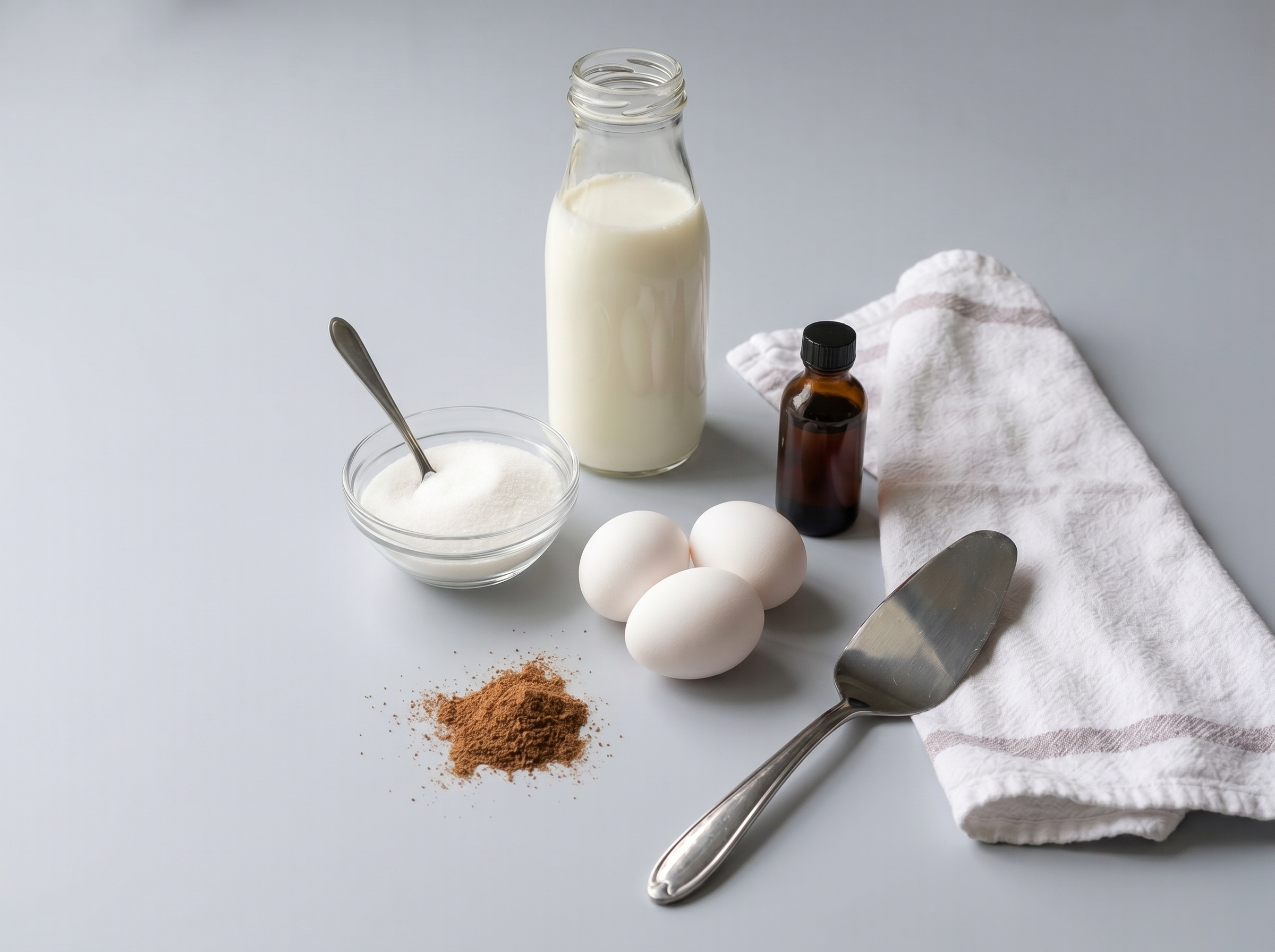
- Eggs (5 large): Eggs provide structure and richness. Use large, room-temperature eggs for best incorporation; older eggs separate more easily and whisk smoothly.
- Sugar (1/2 cup): Granulated sugar sweetens and slightly stabilizes the custard. If you prefer a less sweet finish, reduce by 1 to 2 tablespoons.
- Vanilla extract (1 1/2 teaspoons): Pure vanilla extract elevates the aroma. I favor Nielsen-Massey for its clean, warm notes; imitation extract will work in a pinch but lacks depth.
- Salt (1/2 teaspoon): A small amount of salt balances sweetness and rounds flavors — don’t skip it.
- Milk (4 cups): Use whole milk for a richer custard or 2% for a slightly lighter version; heat the milk to just below simmering to coax out creaminess without scalding.
- Nutmeg (for topping): Freshly grated nutmeg adds a warm, aromatic finish. Add to taste, lightly dusting each portion before serving.
Instructions
Preheat and prepare the dish: Preheat your oven to 350°F. Lightly grease an 8x8-inch baking dish (glass or ceramic works well). Position a larger roasting pan or baking dish that will later hold a 1-inch-deep water bath. Whisk the eggs and dry ingredients: In a large mixing bowl, vigorously whisk together 5 large eggs, 1/2 cup granulated sugar, 1 1/2 teaspoons vanilla extract, and 1/2 teaspoon salt until the mixture is uniform and slightly frothy — about 30 to 45 seconds. The goal is homogeneous mixture, not aeration. Heat the milk: In a small to medium saucepan, gently heat 4 cups of milk over medium heat until it reaches about 180°F (just below simmering) — small bubbles will form around the edge but it should not come to a full boil. Use an instant-read thermometer if you have one to avoid overheating, which can change the milk’s proteins and affect texture. Temper the eggs: With the whisk in motion, slowly pour a thin, steady stream of the hot milk into the egg mixture. Start with just a few tablespoons at a time to raise the egg temperature without scrambling. Once about half the milk is incorporated and the mixture feels warm, you can add the remainder in a steady stream. Continue whisking the combined mixture for an additional minute to fully emulsify. Bake in a water bath: Pour the custard into the prepared 8x8-inch dish and grate a light dusting of nutmeg over the surface, if desired. Place the dish in the larger pan and carefully add hot tap water to the outer pan until it reaches about 1 inch up the side of the custard dish. Transfer to the oven and bake for 45 to 50 minutes. Check at 45 minutes; the custard should be set at the edges and still have a gentle jiggle in the center. An inserted knife should come out mostly clean with just a few moist crumbs. Cool and serve: Carefully remove the custard dish from the water bath and place it on a cooling rack. You can serve warm, slightly cooled, or fully chilled. Refrigerate leftovers promptly; the custard will firm up as it cools.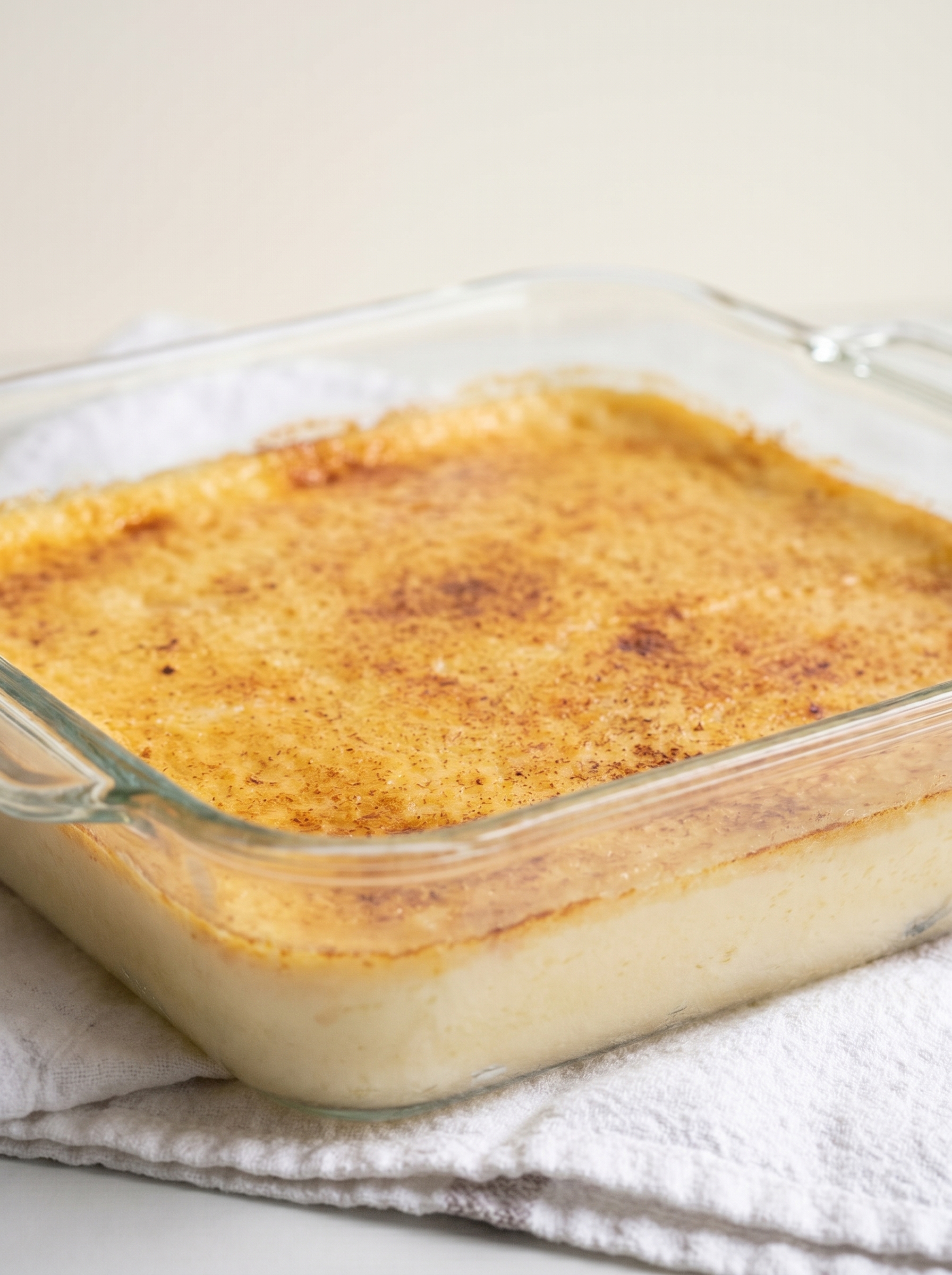
You Must Know
- This dessert is high in protein and calcium from the eggs and milk; it is naturally gluten-free when no additives are included.
- Store in an airtight container in the refrigerator for up to 4 days; freeze individual portions for up to 3 months and thaw overnight in the fridge.
- The water bath is crucial — it protects the custard from direct heat and ensures an even, creamy set without curdling.
- Do not overbake; the custard will continue to set as it cools. Aim for a slight wobble in the center when you remove it from the oven.
My favorite part of this dish is how it brings people together. I’ve served it at impromptu dinners and watched as plates come back empty. One memorable evening a neighbor told me it reminded him of the custard his grandmother used to make; cooking really is a way to share memory and comfort.
Storage Tips
Allow the custard to cool to room temperature before covering. Store in an airtight container or cover the baking dish tightly with plastic wrap to prevent skin formation and odor absorption. In the refrigerator it will keep well for up to 4 days; beyond that texture and flavor begin to decline. For freezing, portion into individual airtight containers, leaving some headspace, and freeze for up to three months. Thaw overnight in the refrigerator and gently beat or whisk if the texture separates slightly before serving.
Ingredient Substitutions
For a lighter version, substitute all or part of the whole milk with 2% or a dairy alternative such as full-fat coconut milk (results will be slightly coconut-forward). If you must avoid dairy altogether, use unsweetened almond or oat milk and increase egg yolks by 1 to add richness. Swap vanilla extract with the seeds of one vanilla bean for more aromatic intensity. Reduce sugar by up to 2 tablespoons for less sweetness; using superfine sugar or dissolving the sugar into warm milk helps avoid graininess.
Serving Suggestions
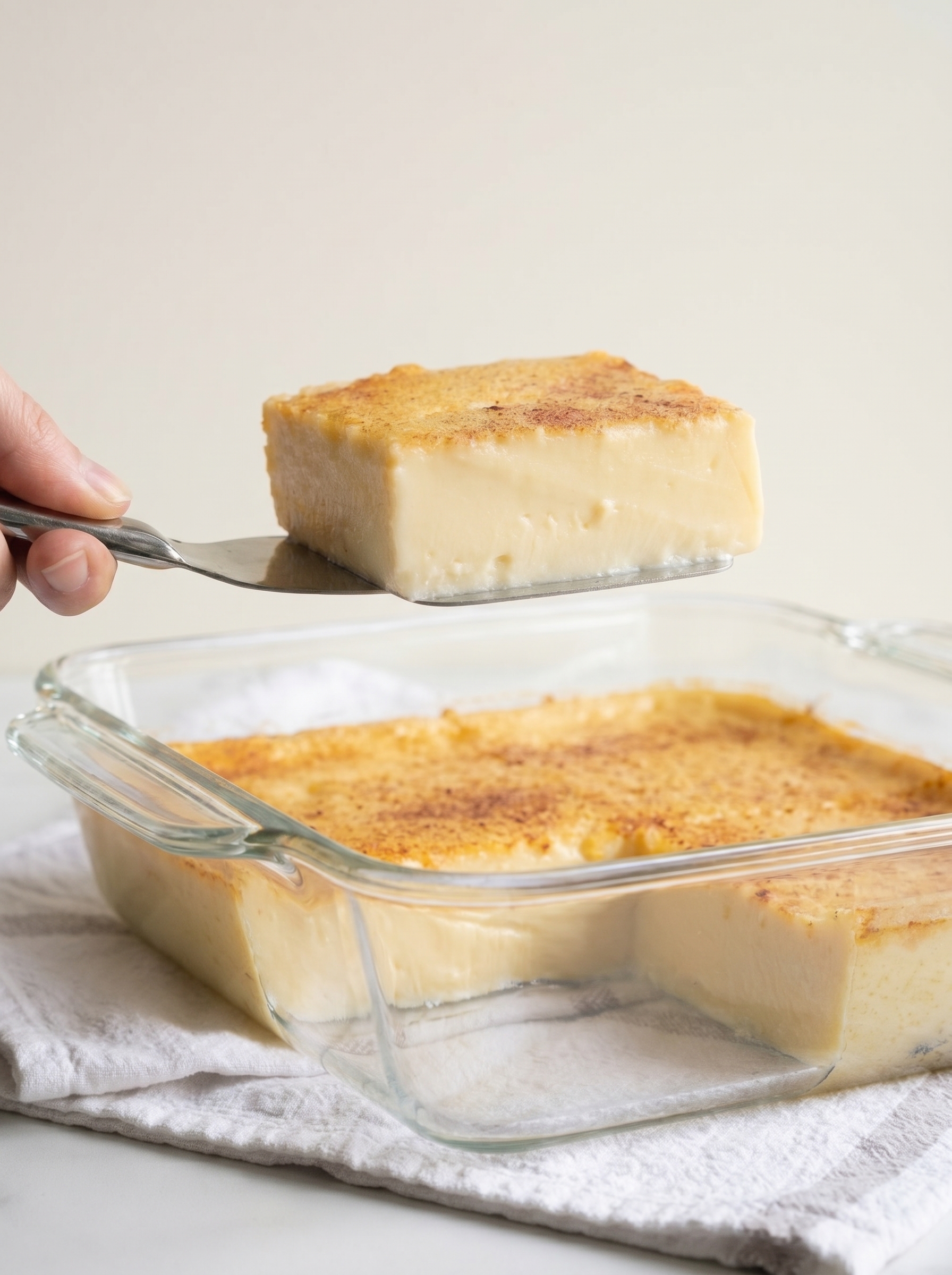
Serve warm with a dollop of lightly sweetened whipped cream and a dusting of nutmeg for a classic presentation. For a bright contrast, spoon macerated berries or a citrus compote alongside. For an autumnal twist, add a spoonful of spiced pear topping. Plate it chilled with a shortbread cookie or crisp biscotti for texture contrast. Garnish with a thin strip of lemon zest for freshness.
Cultural Background
Custard as a concept spans many culinary traditions, from European flans to British baked custards. This straightforward milk-and-egg custard is reminiscent of classic English baked custard and French flan, where gentle cooking yields a delicate set. Its simplicity made it a common household dessert historically, reliant on everyday ingredients and basic technique rather than elaborate preparations.
Seasonal Adaptations
In summer, top with a mixture of ripe berries and a touch of lemon; in fall and winter, fold a pinch of cinnamon or cardamom into the custard before baking and serve with caramelized apples. For holidays, finish with a thin caramel layer on top and briefly broil for a brûlée-style crust, or serve with poached pears for an elegant seasonal plate.
Meal Prep Tips
Make the custard a day ahead and refrigerate; flavors meld and texture firms to a comforting sliceable set that slices cleanly. For portion control, bake in individual ramekins so you can pull exactly what you need. Use a thermometer when heating the milk and check at 40 minutes in the oven to avoid overcooking. Label containers with date and use within four days.
Whether you serve it as a quiet weeknight finale or a show-stopping dessert for guests, this egg custard rewards simple care and attention. It’s comforting, adaptable, and reliably delicious — a small, elegant dessert that feels like home. Enjoy the gentle process of tempering, the soothing hum of the oven, and the warm, custardy result you’ll be proud to share.
Pro Tips
Heat the milk to just under simmering (about 180°F) to extract creaminess without scalding.
Temper the eggs by adding the hot milk in a thin stream while whisking to prevent curdling.
Bake in a water bath and check for a slight jiggle in the center — residual heat will finish the set.
Use room-temperature eggs so they incorporate more evenly and reduce the risk of shock when mixed with hot milk.
If the surface forms a skin while cooling, press plastic wrap directly onto the surface to prevent it.
This nourishing fail-proof egg custard recipe is sure to be a staple in your kitchen. Enjoy every moist, high protein slice — it is perfect for breakfast or as a wholesome snack any time.
FAQs about Recipes
Is this custard gluten-free?
Yes. This custard is naturally gluten-free as long as you don’t add any gluten-containing toppings or thickeners.
How long does the custard keep?
Store sealed in the refrigerator for up to 4 days. Freeze individual portions up to 3 months.
How do I prevent the eggs from scrambling?
Heat the milk to just below simmering (about 180°F) and temper by adding hot milk slowly to the eggs while whisking.
Tags
Fail-Proof Egg Custard
This Fail-Proof Egg Custard recipe makes perfectly juicy, tender, and flavorful steak every time! Serve with potatoes and a side salad for an unforgettable dinner in under 30 minutes.
Ingredients
Custard Base
Instructions
Preheat and prepare
Preheat the oven to 350°F and lightly grease an 8x8-inch baking dish. Set a larger roasting pan nearby to later hold a 1-inch-deep water bath.
Combine eggs and dry ingredients
In a large bowl, whisk together 5 large eggs, 1/2 cup sugar, 1 1/2 teaspoons vanilla, and 1/2 teaspoon salt until uniform and slightly frothy.
Heat the milk
Gently heat 4 cups milk in a saucepan to about 180°F (just before simmering). Do not let it boil to avoid changing the milk proteins.
Temper the eggs
Slowly stream the hot milk into the egg mixture while whisking continuously, starting with a few tablespoons to raise temperature gradually. Whisk the combined mixture for one minute to ensure emulsification.
Bake in water bath
Pour the mixture into the prepared dish, sprinkle nutmeg on top if desired, place the dish into the larger pan, and add hot water until it reaches 1 inch up the side. Bake at 350°F for 45–50 minutes until mostly set with a slight jiggle.
Cool and serve
Remove the custard from the water bath, cool on a rack, then serve warm or chilled. Refrigerate leftovers; custard firms as it cools.
Last Step: Please leave a rating and comment letting us know how you liked this recipe! This helps our business to thrive and continue providing free, high-quality recipes for you.
Nutrition
Did You Make This?
Leave a comment & rating below or tag
@royalrecipe on social media!
Categories:
You might also like...

Spicy Chicken and Jalapeño Thin Crust Pizza
Easy homemade thin-crust three-cheese spicy chicken and jalapeño pie — a flavor-packed pizza with a satisfying kick, perfect for pizza night or game day.
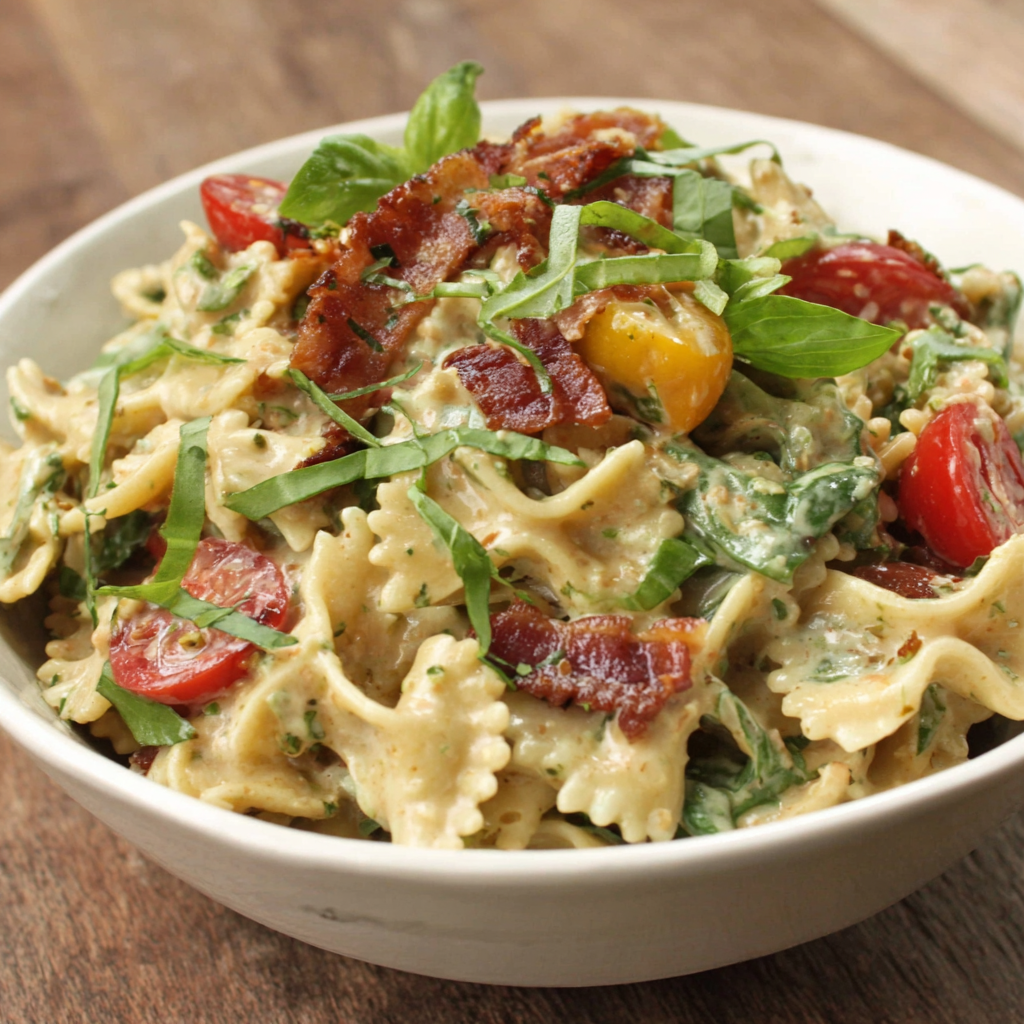
Creamy Pesto BLT Pasta Salad
A bright, creamy BLT pasta salad tossed with basil pesto, fresh greens, cherry tomatoes, and crisp bacon—perfect for warm-weather gatherings and meal prep.

Bang Bang Shrimp Pasta
Tender sautéed shrimp tossed with spaghetti and a creamy sweet-spicy bang bang sauce—ready in under 30 minutes for a weeknight favorite.
Did You Make This?
Leave a comment & rating below or tag @royalrecipe on social media!
Rate This Recipe
Share This Recipe
Enjoyed this recipe? Share it with friends and family, and don't forget to leave a review!
Comments (1)
This recipe looks amazing! Can't wait to try it.
Comments are stored locally in your browser. Server comments are displayed alongside your local comments.
Hi, I'm Amara!
What's Popular

30-Minute Meals!
Join to receive our email series which contains a round-up of some of our quick and easy family favorite recipes.