
Classic New Orleans Beignets — Soft, Sweet, and Irresistible

Light, pillowy New Orleans-style beignets dusted in powdered sugar — a weekend treat that’s perfect for sharing. Step-by-step tips and photos included.
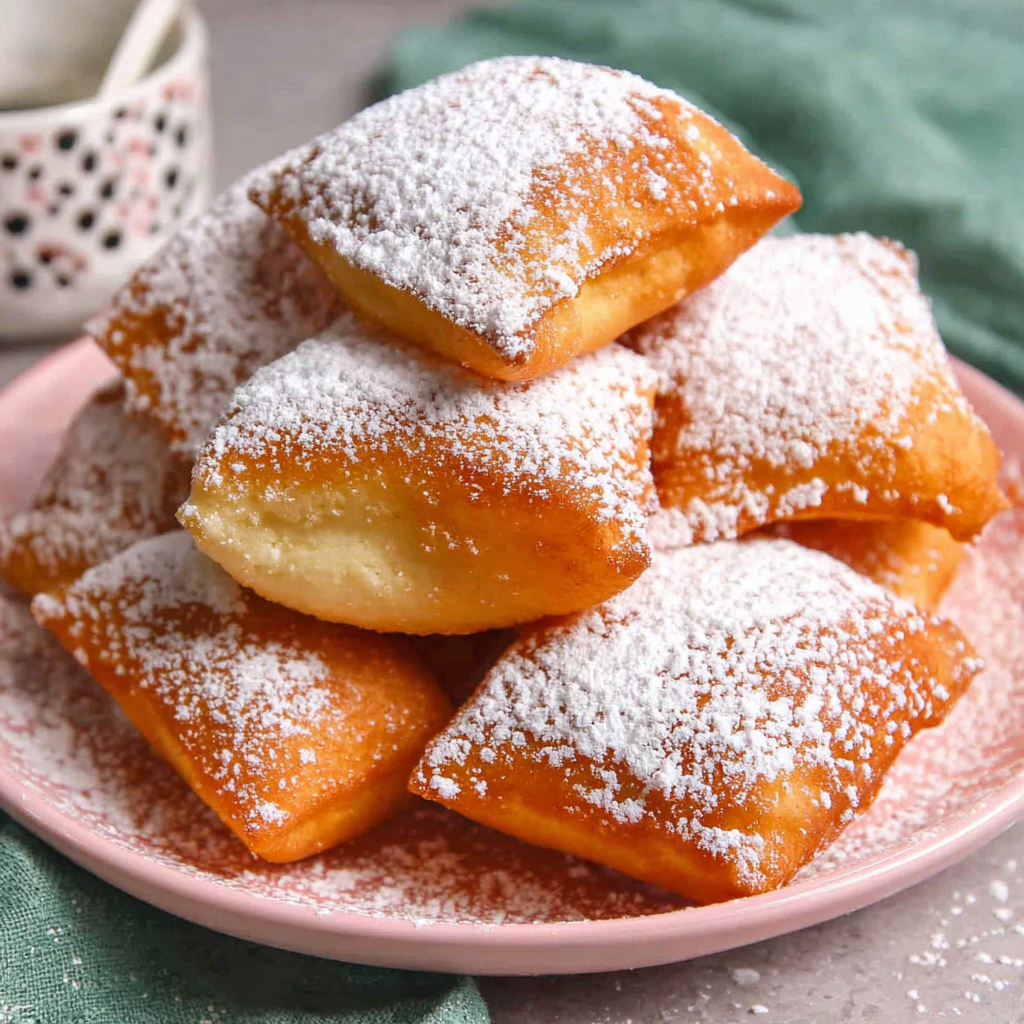
This recipe for New Orleans-style beignets has been my weekend delight for years. I first learned to make them on a rainy afternoon when a bag of flour and a craving for something sweet pushed me to experiment with classic French dough enriched with eggs and butter. The results were better than I dared hope: golden pillows of fried dough that were crisp on the outside and impossibly soft inside, each one cloaked in a blizzard of powdered sugar. Since then, beignets have become my go-to treat whenever friends drop by or when I want to recreate a casual stroll through the French Quarter in my own kitchen.
What makes these particularly special is the balance between a tender interior and a lightly crisp exterior. The dough is enriched — meaning milk, egg, and butter — which gives the beignets a rich, tender crumb close to brioche but quicker and simpler to make. The yeast gives them lift and those characteristic airy pockets. I remember the first time I handed a hot beignet to my skeptical father; he took one bite, paused, then asked for three more. That memory alone makes every batch worth the careful rise and the splatter of powdered sugar on the counter.
Why You'll Love This Recipe
- Ready with just 30 minutes of active prep time and about 2 hours of rising — most of that is hands-off, so you can get other tasks done while the dough develops flavor.
- Uses simple pantry staples: all-purpose flour, sugar, milk, egg, butter, and basic yeast — no specialty ingredients required.
- Produces about 20 beignets, perfect for sharing at brunch, parties, or a cozy family dessert.
- Easy to scale up: double the batch for a crowd or keep half the dough refrigerated for up to 48 hours to fry fresh beignets later.
- Versatile finish: classic powdered sugar is timeless, but you can also top with cinnamon sugar or serve with chocolate sauce for dipping.
- Step-by-step troubleshooting and photo guidance available so that even first-time fryers can achieve light, fully cooked centers without burnt exteriors.
Personally, the best part is the ritual — rolling the dough, cutting imperfect squares with a pizza wheel, and the little explosion of steam when you bite into a warm, sugar-dusted beignet. Friends and family often comment that these taste like a vacation memory: simple, indulgent and absolutely nostalgic.
Ingredients
- Warm water: 3/4 cup warmed to about 110°F. This temperature wakes the yeast without killing it — too hot and the yeast stops working, too cool and activation is slow.
- Granulated sugar: 1/2 cup (about 100 g). Half is used to feed the yeast and half sweetens the dough for tender beignets.
- Active dry yeast: 2 1/4 teaspoons (one envelope). Make sure it’s fresh — check the expiration date for reliable rise.
- Egg: 1 large at room temperature. Adds richness, structure, and helps with browning.
- Milk or evaporated milk: 1/2 cup (120 ml) at room temperature. Whole milk gives the best richness; evaporated milk works beautifully for a slightly deeper flavor.
- Vanilla extract: 2 teaspoons for aromatic depth — optional but recommended.
- All-purpose flour: 3 3/4 cups (about 450 g). Use a spoon-and-level method for accuracy; this builds the dough’s framework.
- Salt: 1 teaspoon to balance the sweetness and strengthen the dough’s structure.
- Unsalted butter: 3 tablespoons softened. Enriches the dough for tender crumbs and better flavor.
- Vegetable or peanut oil: Enough for deep frying (about 3 inches deep in a heavy pot). Choose a neutral oil with a high smoke point.
- Powdered sugar: 1/2 cup for dusting. Sift it for a light, even coating that melts into the warm beignets.
Instructions
Activate the yeast: Add 3/4 cup warm water (about 110°F) to the bowl of a stand mixer or a large mixing bowl if mixing by hand. Stir in 2 1/4 teaspoons active dry yeast and 1/4 cup of the granulated sugar. Let sit undisturbed for about 5 minutes until the surface is bubbly and slightly foamy — this shows the yeast is active. Combine dry ingredients: Whisk together 3 3/4 cups all-purpose flour and 1 teaspoon salt in a separate bowl. Measuring the flour accurately now helps ensure the right dough hydration. Build the dough: Once the yeast is bubbly, whisk in 1/2 cup milk, 2 teaspoons vanilla extract, the remaining 1/4 cup sugar, and 1 large room-temperature egg. Add about half of the flour mixture and whisk into a smooth batter. It will be thick but not fully formed dough yet. Mix to develop gluten: Attach a dough hook if using a stand mixer. Add the remaining flour and mix on medium speed until the dough pulls together. Add 3 tablespoons softened unsalted butter and continue mixing for about 4 minutes until the dough is smooth and slightly elastic. The dough will be enriched and a bit sticky; if it feels excessively wet, add up to an extra 1/4 cup flour. First rise: Transfer the dough to a large lightly oiled bowl, cover with plastic wrap or a damp towel, and set in a warm draft-free spot. Allow to rise until doubled in size, about 2 hours. For slower development and more flavor, refrigerate for up to 48 hours (cover tightly). Prepare oil and shaping: Pour enough oil into a heavy pot so there’s about 3 inches of depth. Fit a candy thermometer to the side and heat over medium-high until the oil reaches 360°F. Line a wire rack with layers of paper towels for draining. On a well-floured surface, roll the dough to about 1/2-inch thickness. Use a pizza cutter to cut into roughly 2 to 2 1/2-inch squares — rustic shapes are part of the charm. Fry the beignets: When the oil is at 360°F, fry 3–4 beignets at a time to avoid crowding (which cools the oil). Fry until the bottom is puffed and golden, about 1 to 1 1/2 minutes, then flip and cook the second side until golden and cooked through. Transfer to the paper towel-lined rack to drain briefly. Finish and serve: Generously dust with sifted powdered sugar while still warm and serve immediately for the best texture and flavor.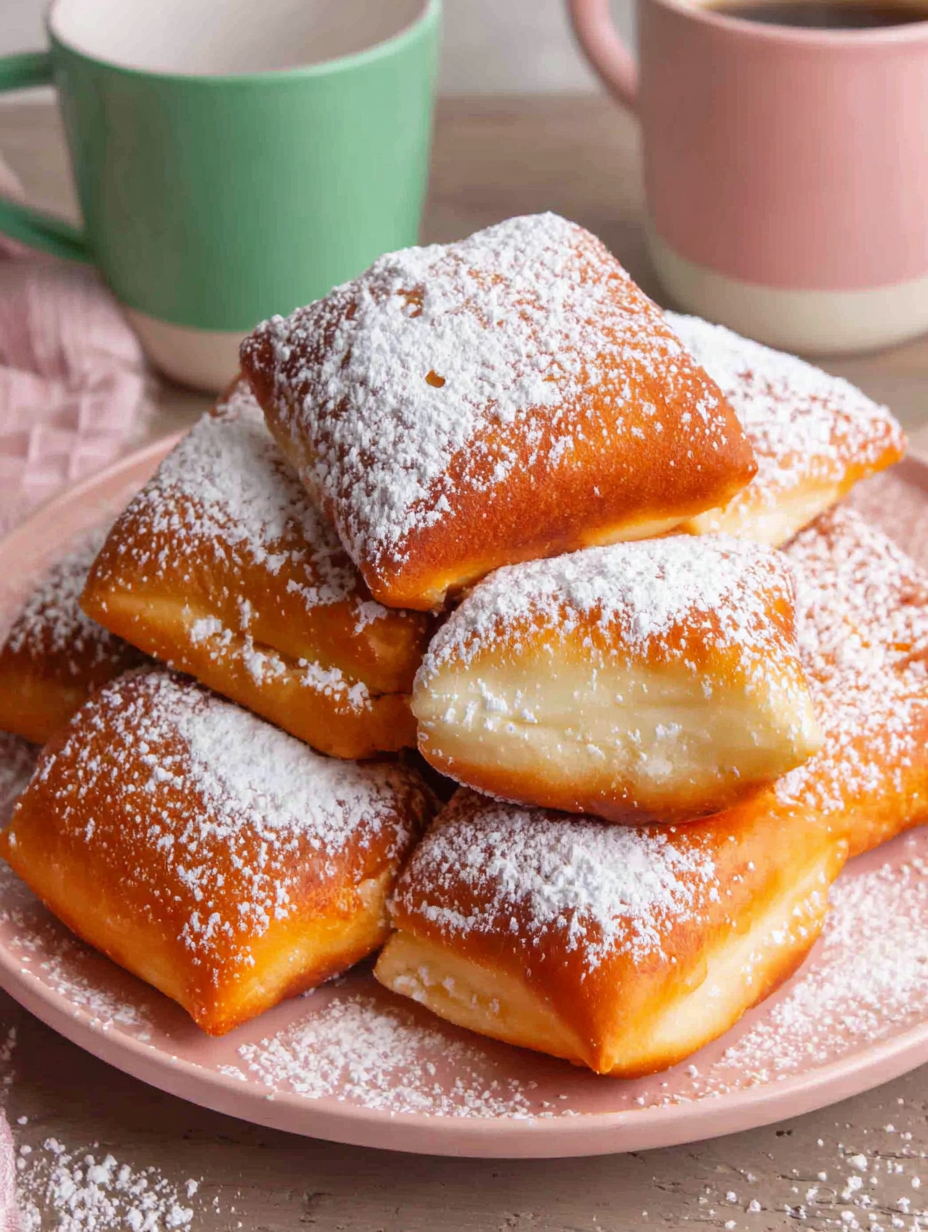
You Must Know
- These treat are best eaten hot or warm; they lose their characteristic interior softness after a day — plan to serve them fresh for maximum enjoyment.
- Use a candy thermometer and maintain oil temperature around 360°F; if the oil is too cool the beignets absorb oil, too hot and they may burn outside before cooking through.
- Because the dough is enriched it takes longer to rise than lean doughs — don’t rush the first proof; a full 2 hours at room temperature yields the best texture.
- Leftover dough keeps well in the fridge for up to 48 hours; tightly wrapped, you can fry fresh beignets over two days for peak freshness.
- These are high in simple carbs and should be enjoyed as an occasional treat; one beignet is about 144 calories.
My favorite part is the moment powdered sugar settles into the little creases of each beignet — the first bite is always a powdery, sweet surprise. Over the years I've learned to accept uneven shapes as part of their homemade charm; the irregularity signals a real, hand-cut batch rather than something factory-perfect.
Storage Tips
Beignets are best consumed the day they’re fried. If you must store them, keep them in an airtight container at room temperature for a few hours — note that the exterior will soften and the powdered sugar will absorb moisture. For slightly longer storage, freeze unfried, cut dough squares laid flat on a tray until solid, then transfer to a freezer bag for up to one month. Fry from frozen, adding a minute or two to the frying time and watching the oil temperature closely. Reheating fried beignets in a 325°F oven for 5–7 minutes will help revive some crispness, but the interior won’t be as pillowy as fresh.
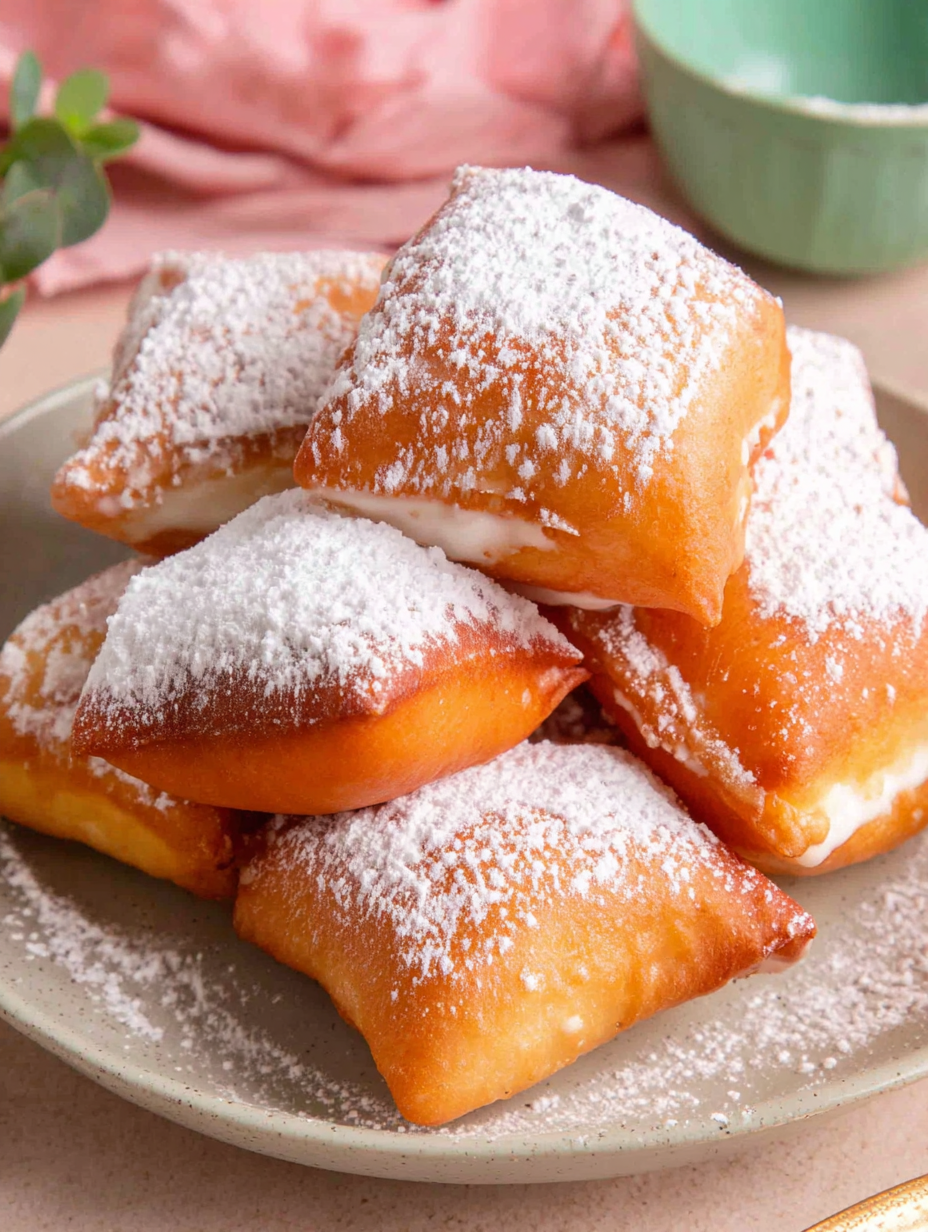
Ingredient Substitutions
If you don’t have whole milk, evaporated milk or 2% milk work fine; evaporated milk gives a slightly richer flavor and tender crumb. For butter, salted butter can be used — reduce added salt slightly. You can swap vegetable oil for peanut oil if no allergies are present; peanut oil has a high smoke point and lends a subtle depth. For a dairy-free variation, substitute plant-based milk and vegan butter — results will be close but slightly less tender. Avoid using self-rising flour; it alters the rise and texture—stick with all-purpose flour for consistent results.
Serving Suggestions
Serve hot and dusted liberally with powdered sugar alongside a strong cup of coffee or chicory coffee for an authentic New Orleans pairing. For a modern twist, offer a small bowl of chocolate sauce, warm berry compote, or salted caramel for dipping. Garnish with a mint sprig for color and serve on a wire rack over a sheet tray to keep them from steaming on the bottom. These are perfect for brunch, holiday breakfasts, or as a fun dessert at parties — guests love pulling apart the warm centers.
Cultural Background
Beignets trace their roots to French fritters brought to Louisiana by settlers and adapted by Creole cooks. They became synonymous with New Orleans, especially at iconic cafés where they are typically served hot and dusted in powdered sugar. While similar fried doughs exist across the world, the New Orleans version is distinct for its pillowy, square shape and rich, yeast-leavened dough.
Seasonal Adaptations
In cooler months, fold a pinch of warm spices like cinnamon and nutmeg into the powdered sugar or the dough for cozy seasonal notes. For spring and summer, offer a citrus-scented sugar (zest of lemon or orange mixed into powdered sugar) or a light fruit compote. For holidays, top with a dusting of cocoa powder or a spiced glaze to make them feel celebratory.
Meal Prep Tips
Prepare the dough the night before and refrigerate it tightly wrapped — the slow cold rise develops flavor and fits into a busy schedule. On the day you plan to serve, bring the chilled dough to room temperature, roll, cut, and fry. Freeze cut dough squares on a tray and bag them for later frying — this saves time and preserves the experience of freshly fried treats.
There’s something wonderfully communal about frying beignets: the sound of sizzling oil, the dust-up of powdered sugar, and the delighted faces of people taking that first warm bite. Make a batch for friends and you’ll see why these have stayed beloved for generations. I hope this guide helps you create soft, sweet beignets that become a favorite in your home too.
Pro Tips
Always proof yeast in warm (110°F) water with a pinch of sugar to confirm activity before mixing into dough.
Maintain oil at 360°F; use a candy thermometer for accuracy and adjust heat between batches.
Roll the dough to 1/2 inch thickness — thinner dough won’t puff, thicker makes oversized beignets that may remain doughy inside.
Cut beignets with a pizza wheel for quick, rustic squares and avoid overworking the dough to preserve tenderness.
Dust with powdered sugar while still warm so it melts slightly into the surface for that classic look and flavor.
This nourishing classic new orleans beignets — soft, sweet, and irresistible recipe is sure to be a staple in your kitchen. Enjoy every moist, high protein slice — it is perfect for breakfast or as a wholesome snack any time.
FAQs about Recipes
What if the yeast doesn't activate?
If your yeast doesn’t foam within 5–10 minutes, it may be inactive. Check the expiry date or try again with warmer water (around 110°F).
How do I avoid greasy beignets?
Keep oil around 360°F and fry in small batches to avoid the oil temperature dropping and causing greasy beignets.
Tags
Classic New Orleans Beignets — Soft, Sweet, and Irresistible
This Classic New Orleans Beignets — Soft, Sweet, and Irresistible recipe makes perfectly juicy, tender, and flavorful steak every time! Serve with potatoes and a side salad for an unforgettable dinner in under 30 minutes.
Instructions
Activate the yeast
Combine 3/4 cup warm water, 1/4 cup sugar, and 2 1/4 teaspoons active dry yeast. Let rest for 5 minutes until foamy.
Mix dry ingredients
Whisk 3 3/4 cups flour and 1 teaspoon salt in a separate bowl and set aside.
Combine liquids and part of the flour
Whisk the milk, vanilla, remaining sugar, and egg into the activated yeast. Add half the flour and whisk until smooth.
Knead and enrich the dough
Using a stand mixer with a dough hook, add the remaining flour and mix until the dough forms. Add 3 tablespoons softened butter and continue mixing about 4 minutes until smooth and slightly elastic. Add up to 1/4 cup additional flour if too wet.
First rise
Place dough in a lightly oiled bowl, cover, and let rise in a warm place until doubled, about 2 hours (or refrigerate up to 48 hours).
Shape and cut
Roll dough on a floured surface to 1/2 inch thickness and cut into 2–2 1/2 inch squares with a pizza cutter.
Heat oil and fry
Heat oil to 360°F in a heavy pot. Fry beignets 3–4 at a time until golden on both sides, about 1–1 1/2 minutes per side. Drain on paper towels.
Dust and serve
Dust generously with powdered sugar while warm and serve immediately.
Last Step: Please leave a rating and comment letting us know how you liked this recipe! This helps our business to thrive and continue providing free, high-quality recipes for you.
Nutrition
Did You Make This?
Leave a comment & rating below or tag
@royalrecipe on social media!
Categories:
You might also like...
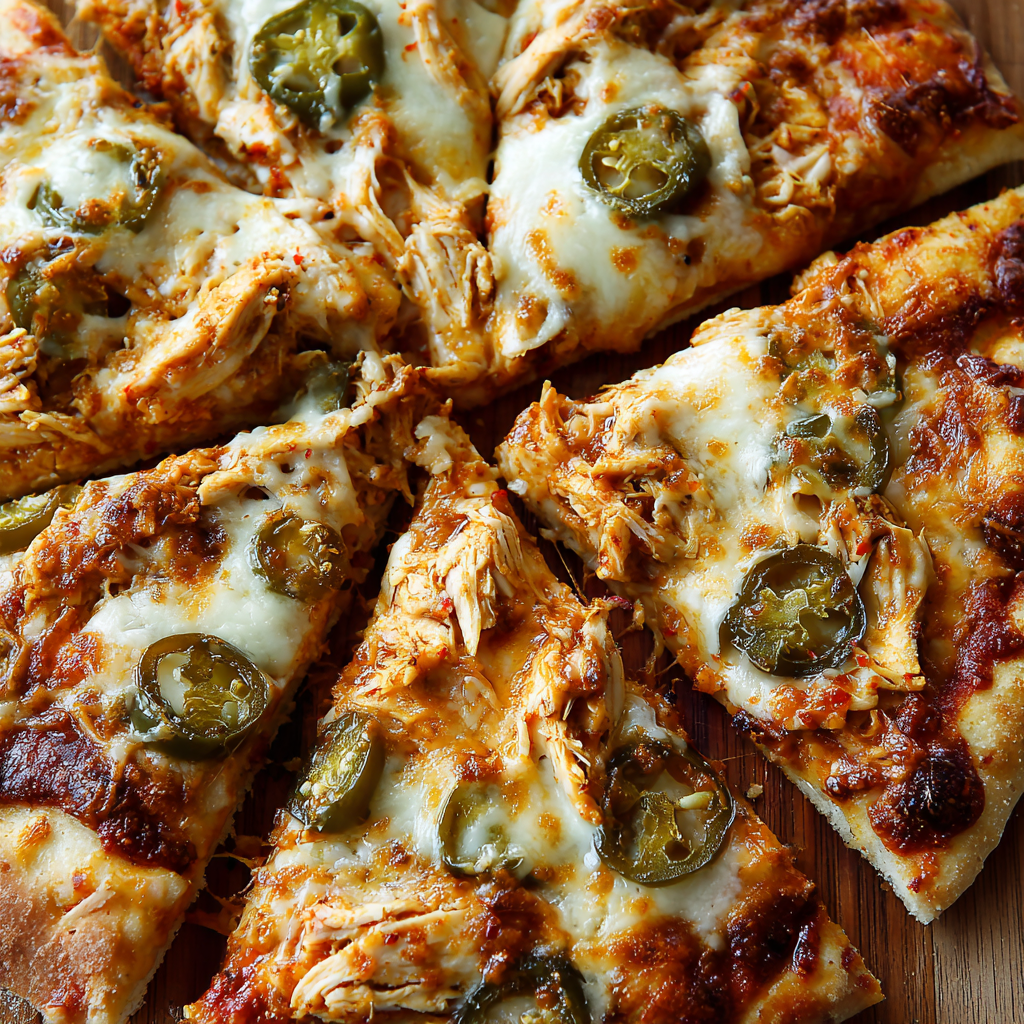
Spicy Chicken and Jalapeño Thin Crust Pizza
Easy homemade thin-crust three-cheese spicy chicken and jalapeño pie — a flavor-packed pizza with a satisfying kick, perfect for pizza night or game day.
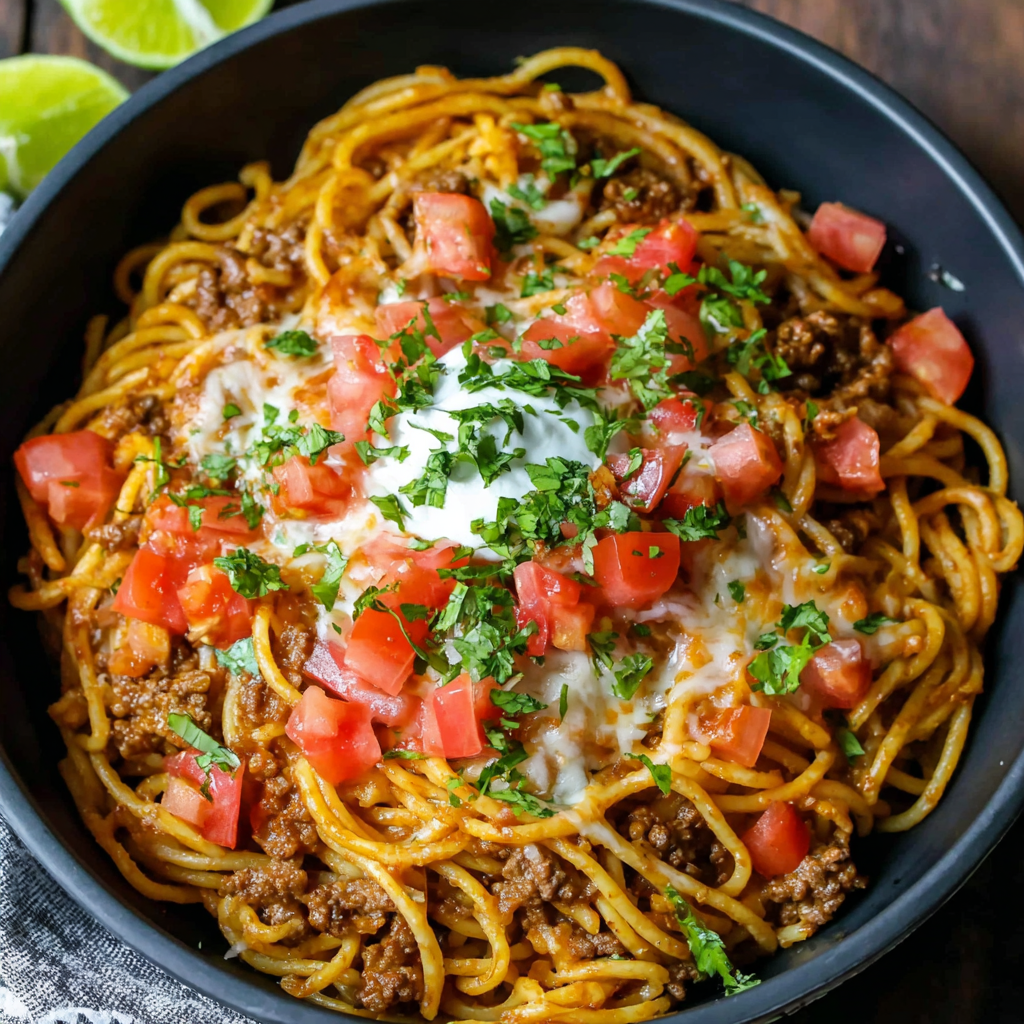
Taco Spaghetti
One-pot taco-spiced beef and spaghetti melted with Monterey Jack cheese for a fun, family-friendly dinner that comes together in about 35 minutes.
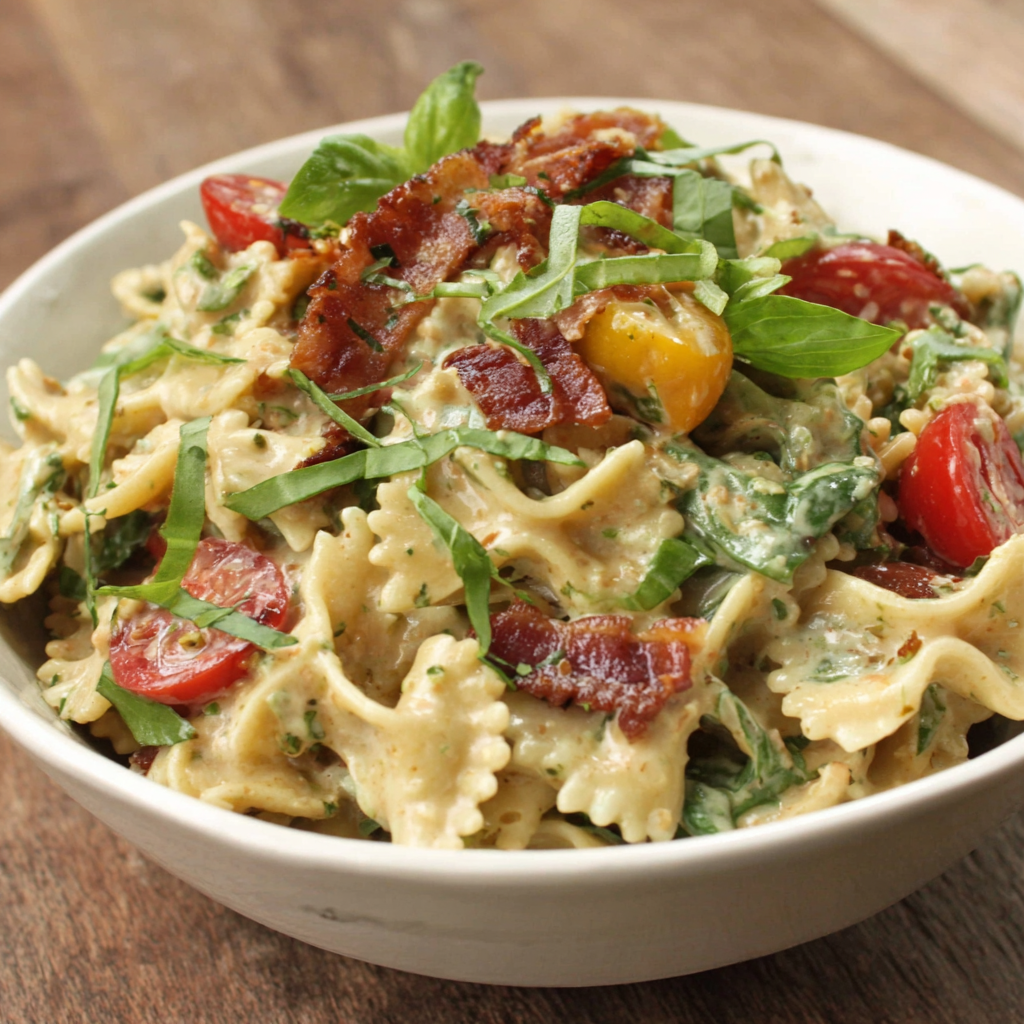
Creamy Pesto BLT Pasta Salad
A bright, creamy BLT pasta salad tossed with basil pesto, fresh greens, cherry tomatoes, and crisp bacon—perfect for warm-weather gatherings and meal prep.
Did You Make This?
Leave a comment & rating below or tag @royalrecipe on social media!
Rate This Recipe
Share This Recipe
Enjoyed this recipe? Share it with friends and family, and don't forget to leave a review!
Comments (1)
This recipe looks amazing! Can't wait to try it.
Comments are stored locally in your browser. Server comments are displayed alongside your local comments.

Hi, I'm Amara!
What's Popular
30-Minute Meals!
Join to receive our email series which contains a round-up of some of our quick and easy family favorite recipes.