Chickpea Tofu (Two-Ingredient Burmese Tofu)

A simple, versatile Burmese-style tofu made from chickpeas — two methods: quick chickpea flour or soaked dried chickpeas. Gluten-free, soy-free, nut-free, and endlessly adaptable.
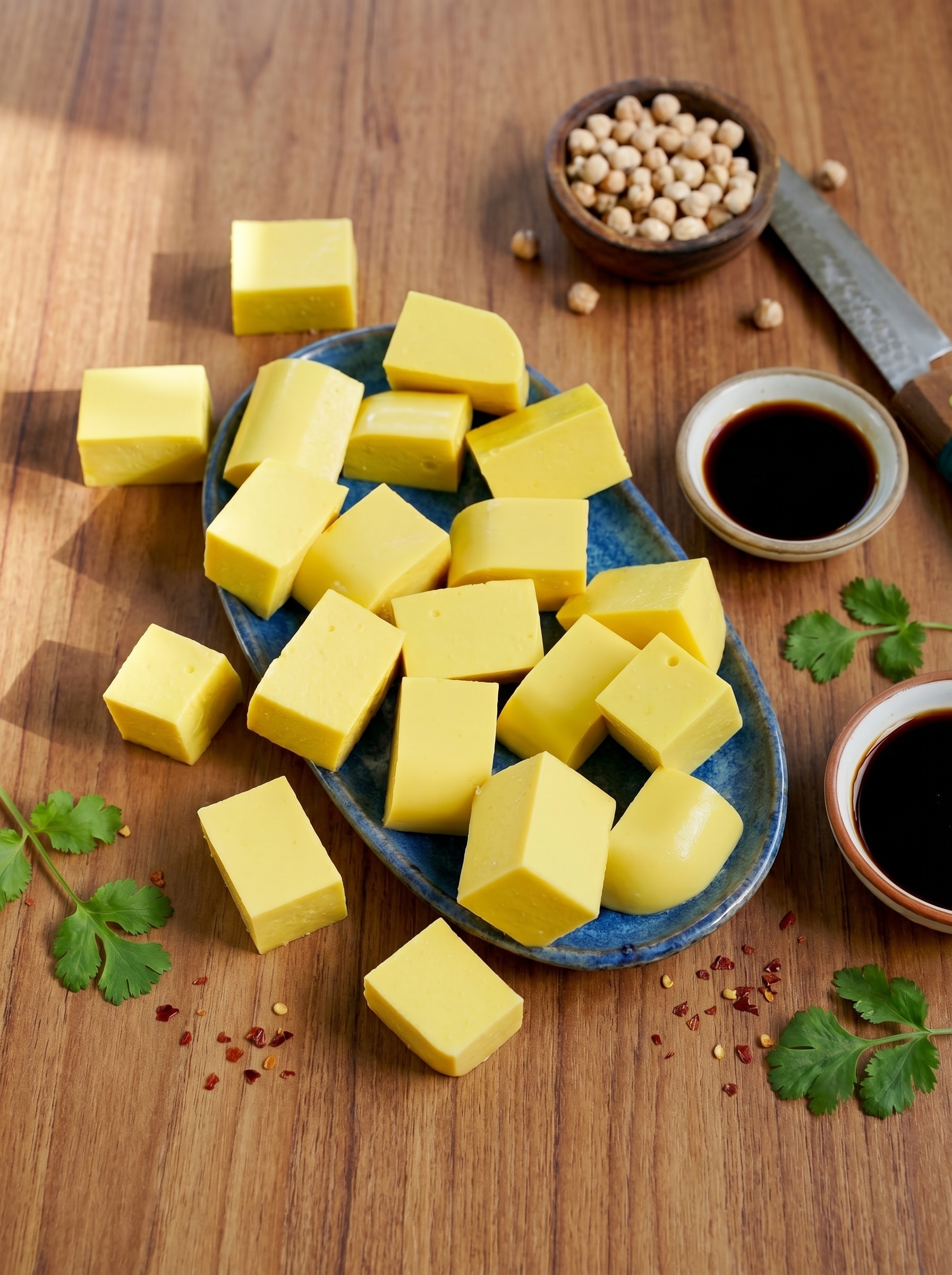
This chickpea tofu has been my pantry miracle for years — a humble, two-ingredient canvas that transforms into anything from silky dessert bases to firm, pan-fried cubes. I first fell in love with this Burmese-style tofu on a week when the grocery shelves were bare of soy tofu, and I needed a neutral, protein-rich ingredient to hold fillings and sauces. The first batch, made with chickpea flour, came together in under 30 minutes and tasted like a gentle, nutty custard that held up beautifully when baked. The dried chickpea method, which requires a soak, yields a silkier, custard-like block perfect for vegan cheesecakes and creamy soups.
What makes this preparation special is its simplicity and adaptability. The texture can be tuned from silken to firm simply by altering the water ratio and cooking time, and it carries marinades and seasonings wonderfully. For weeknight cooking, I often reach for the quick chickpea flour version; on weekends, I make the soaked-chickpea silken version for desserts and delicate sauces. Both methods produce a gluten-free, nut-free, soy-free alternative that offers a subtly beany, earthy flavor and a satisfying mouthfeel — a true kitchen workhorse.
Why You'll Love This Recipe
- Minimal ingredients: you only need chickpea flour or dried chickpeas and water, so it's ideal when your pantry is sparse and you want a reliable protein base.
- Fast or make-ahead: the chickpea flour route is ready in about 10 minutes of active time, while the soaked-chickpea method takes longer but gives a silken texture for desserts and creamy preparations.
- Diet-friendly: naturally gluten-free, soy-free, and nut-free, which makes it suitable for many common dietary restrictions and allergy-conscious meals.
- Texture control: adjust water ratios and cooking time to make silken custard-like blocks or firm tofu perfect for frying and baking.
- Versatile in the kitchen: use it marinated, baked, fried, blended into vegan cheesecakes, or added to curries and salads — it adapts to sweet and savory roles.
- Cost-effective and accessible: chickpea flour and dried chickpeas are inexpensive staples available at most supermarkets and health-food stores.
I learned to appreciate how forgiving this technique is — early batches taught me to whisk constantly during thickening to avoid lumps, and that chilling always improves sliceability. Family and friends were surprised how well it stood up to bold flavors: a spicy marinade or smoky glaze clings to the surface as nicely as it does to soy tofu. Making it became a weekend ritual, tinkering with turmeric for color and increasing the simmer time for extra firmness.
Ingredients
- Quick Chickpea Flour Method — 1 cup chickpea flour: Choose a finely milled, unsalted chickpea flour (also labeled besan or gram flour). Brands like Bob's Red Mill or Anthony's work well. Freshly sifted flour prevents lumps and gives a smooth finish.
- Water: 2 to 2 1/2 cups total (divided) — using less water (around 2 cups total) produces firmer blocks; reserve some for thinning the slurry and for boiling stage.
- Salt and turmeric (optional): 1/2 to 3/4 teaspoon salt and a pinch (1/8 to 1/4 teaspoon) of turmeric for color and gentle flavor; use vegetable broth instead of water for savory depth.
- Dried Chickpeas Method — 1 cup dried chickpeas: Use ordinary raw dried chickpeas (approximately 200 g). Soak overnight and blend with fresh water to extract the starch-rich milk that sets like silken custard.
- Water for blending: 2 cups for the soaked-chickpea blend; more water yields a softer set. The drained chickpea pulp can be saved for falafel or baking.
Instructions
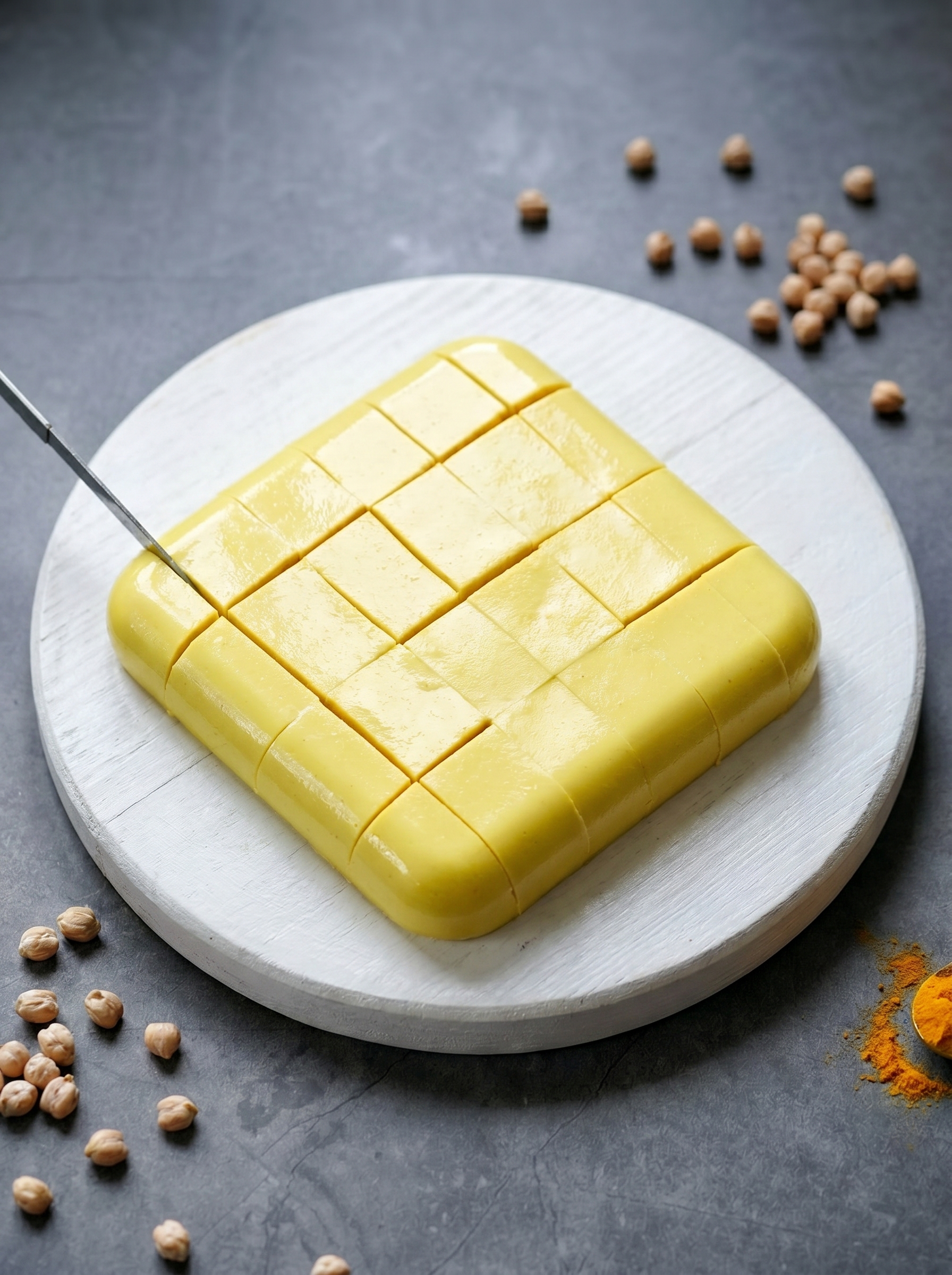
Quick Chickpea Flour Slurry: Whisk 1 cup chickpea flour with 1 cup of water until completely lump-free — start with a small bowl to make a smooth slurry. For firmer tofu use only 1/2 cup to 3/4 cup of water for the slurry and save the remaining water for the pot. A smooth slurry ensures an even gelatinization when added to boiling water. Boil and Incorporate: Bring 1 1/2 cups of water to a rolling boil in a medium saucepan. Reduce to a gentle boil and slowly pour in the slurry while whisking vigorously. Continuous whisking prevents the starch from clumping at the bottom and produces a consistent texture. If you want a firmer result, use 1 1/4 to 1 1/2 cups water in the pot instead. Simmer to Thicken: Lower heat to a steady simmer and keep whisking frequently for 5–6 minutes until the mixture thickens into a glossy, pudding-like mass. You’ll notice the color deepen slightly and the mixture will pull away gently from the sides — this is your cue that the starches have gelatinized. Mold and Chill: Transfer the hot mixture into a greased 6 x 6-inch pan or smaller ramekins. Smooth the surface and let it cool to room temperature, then refrigerate for an hour or more. The longer it chills, the firmer it becomes; unmold by running a knife around the edge and invert on a plate. Soaked Chickpea (Silken) Preparation: Soak 1 cup dried chickpeas in plenty of water overnight. Drain and rinse, then blend with 2 cups fresh water until very smooth (20–30 seconds). Strain the blend through a nut-milk bag, squeezing out as much liquid as possible; the remaining pulp can be reserved for other uses. Cook the Chickpea Milk: Bring the strained liquid to a simmer in a saucepan, whisking constantly to keep starch from settling. Once simmering, reduce heat and simmer gently for about 20 minutes until it thickens like a thick pudding. Stir frequently — the longer it cooks, the firmer the final silken block will be. Set and Chill: Pour into greased molds, smooth the top, cool to room temperature, then refrigerate to set. Use immediately for soft applications or chill longer for slicing and frying. Optionally, add 1 teaspoon agar powder while hot to lock in a firmer set suitable for pan-frying.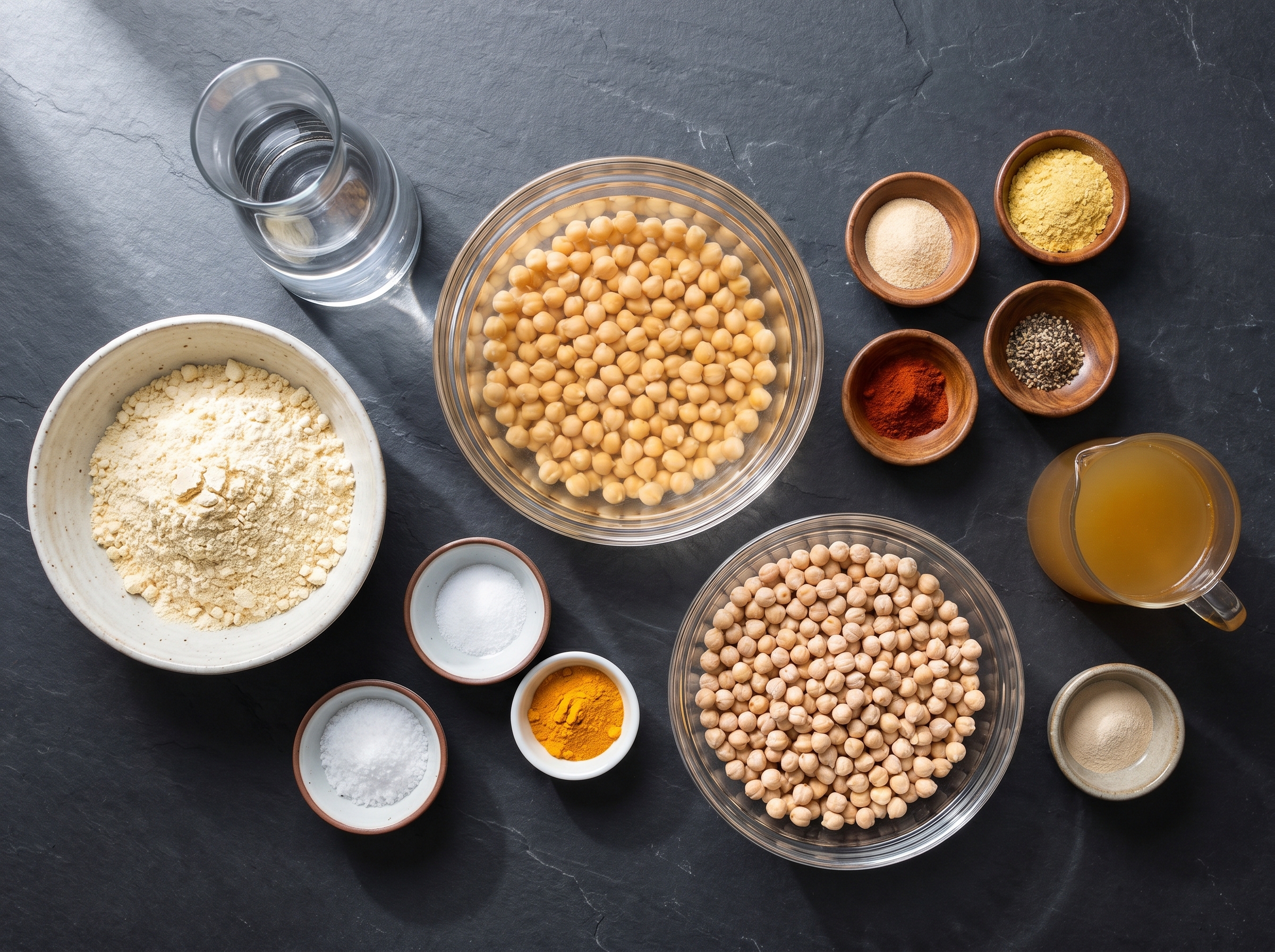
You Must Know
- The product is naturally gluten-free and soy-free, but it is made from legumes, so it is not suitable for those with legume allergies.
- Texture is controlled by water ratio and cooking time: less water and longer simmer equals firmer results for frying and baking.
- Chilled blocks slice much more cleanly; refrigerate for at least 1 hour before slicing and up to 24–48 hours for the firmest texture.
- Leftover chickpea pulp from the soaked method is excellent in fritters, flatbreads, or mixed into batters for added protein and fiber.
My favorite aspect is how forgiving the method is — even imperfect whisking or slightly different water amounts still yield edible, delicious tofu. I remember serving a plate of pan-fried chickpea cubes to a skeptical friend who came expecting soy-based tofu; by the end of the meal she was asking for the recipe. The silkier version has become my secret base for vegan cheesecakes because it produces a creamy, stable set without soy or nuts.
Storage Tips
Store chilled blocks in an airtight container in the refrigerator for up to 4–5 days. For best texture retain any covering liquid if using the silken style; it prevents surface drying. To freeze, cut into portions, wrap tightly in plastic wrap, then place in a freezer-safe bag for up to 3 months — note that freezing changes the texture, making it spongier and excellent for stews and braises where it will soak up sauces. Reheat gently in a covered skillet, oven, or microwave to avoid drying out; if frying, pat dry and dust lightly with cornstarch for better browning.
Ingredient Substitutions
If you don’t have chickpea flour, use the soaked-dried chickpea method. For a nuttier flavor, toast the chickpea flour lightly in a dry skillet before whisking (cool before combining with water). Replace plain water with low-sodium vegetable broth for more savory depth. To make an even firmer, sliceable block suitable for deep frying, stir in 1 teaspoon agar powder dissolved in a few tablespoons of warm water while the mixture is hot; if you use arrowroot or cornstarch as thickeners, they may yield a slightly different mouthfeel and less sheen.
Serving Suggestions
Serve firm cubes pan-fried until golden with a soy-free glaze or spicy sesame dressing over a bowl of greens and rice for a hearty main. Silken blocks are wonderful pureed into dressings, vegan cheesecakes, or delicate soups. Garnish with toasted sesame seeds, sliced scallion, or a drizzle of chili oil. On a brunch board, marinated and grilled slabs pair perfectly with roasted vegetables and a bright herb salad.
Cultural Background
Known as Burmese tofu or Shan tofu, this preparation comes from Myanmar where chickpea or yellow pea flour is transformed into a soft, custard-like block used across savory dishes. It is distinct from soy tofu in flavor and texture and has long been a staple where legumes are plentiful. Regional variations use different pulses and seasonings; in Shan cuisine it is often cut into strips and fried or added to salads with tart dressings.
Seasonal Adaptations
In summer, serve chilled silken blocks with bright citrusy dressings, fresh herbs, and crunchy cucumbers. In colder months, make firm blocks and simmer them in spicy, saucy stews or roast them with root vegetables and warming spices like smoked paprika and cumin. For holidays, press the block, slice it thick, marinate in a sticky glaze and roast until caramelized for a show-stopping centerpiece.
Meal Prep Tips
Make a large batch of firm blocks at the start of the week and store in the fridge for quick lunches — sliced cubes reheat well in a skillet or oven. For grab-and-go bowls, marinate slices overnight to infuse flavor. Keep leftover strained chickpea pulp frozen in 1/2-cup portions for use in batters, burgers, or to enrich baked goods. Label containers with date and intended use to keep your fridge organized.
This humble two-ingredient technique opened up so many possibilities in my kitchen — it feels like a small, practical secret that yields consistently satisfying results. Whether you want a silky base for desserts or a firm protein for savory mains, this chickpea preparation is a reliable, allergy-friendly alternative to traditional tofu. Give both methods a try and see which texture becomes your new staple.
Pro Tips
For firmer blocks, reduce total water and simmer slightly longer; chilling overnight yields the firmest texture.
Whisk constantly during the initial boil to prevent lumps and scorching; a silicone spatula helps scrape the bottom.
Save the leftover chickpea pulp from the soaked method for fritters, flatbreads, or to bulk up veggie burgers.
This nourishing chickpea tofu (two-ingredient burmese tofu) recipe is sure to be a staple in your kitchen. Enjoy every moist, high protein slice — it is perfect for breakfast or as a wholesome snack any time.
Tags
Chickpea Tofu (Two-Ingredient Burmese Tofu)
This Chickpea Tofu (Two-Ingredient Burmese Tofu) recipe makes perfectly juicy, tender, and flavorful steak every time! Serve with potatoes and a side salad for an unforgettable dinner in under 30 minutes.
Ingredients
Quick Chickpea Flour Method
Dried Chickpeas Method
Instructions
Make a smooth slurry
Whisk 1 cup chickpea flour with 1/2 to 1 cup water until lump-free. Start with less water for a firmer final product. Ensure a silky, smooth consistency before adding to hot water.
Bring water to boil and whisk in slurry
Boil 1 1/2 cups water in a saucepan, then reduce to a steady boil and pour the slurry in slowly while whisking constantly to prevent clumps and scorching.
Simmer until thickened
Lower heat and simmer for 5–6 minutes, stirring frequently until the mixture becomes glossy and pudding-like and pulls away from the pan sides.
Mold and chill
Transfer the hot mixture into a greased 6x6-inch pan or ramekins, smooth the surface, let cool to room temperature, then refrigerate to set and firm up.
Soak dried chickpeas
Cover 1 cup dried chickpeas with plenty of water and soak overnight. Drain, rinse, and prepare to blend for the silken method.
Blend and strain chickpea milk
Blend soaked chickpeas with 2 cups fresh water until smooth, then strain through a nut-milk bag, squeezing to extract as much liquid as possible; reserve pulp for other uses.
Cook chickpea milk to thicken
Bring the strained liquid to a simmer in a saucepan, whisking constantly. Simmer for about 20 minutes until the mixture thickens to a custard-like consistency, stirring often to avoid settling.
Pour, cool, and refrigerate
Pour into greased molds, smooth the top, cool at room temperature, then refrigerate. Longer chilling yields a firmer texture suitable for slicing and frying.
Last Step: Please leave a rating and comment letting us know how you liked this recipe! This helps our business to thrive and continue providing free, high-quality recipes for you.
Nutrition
Did You Make This?
Leave a comment & rating below or tag
@royalrecipe on social media!
Categories:
You might also like...
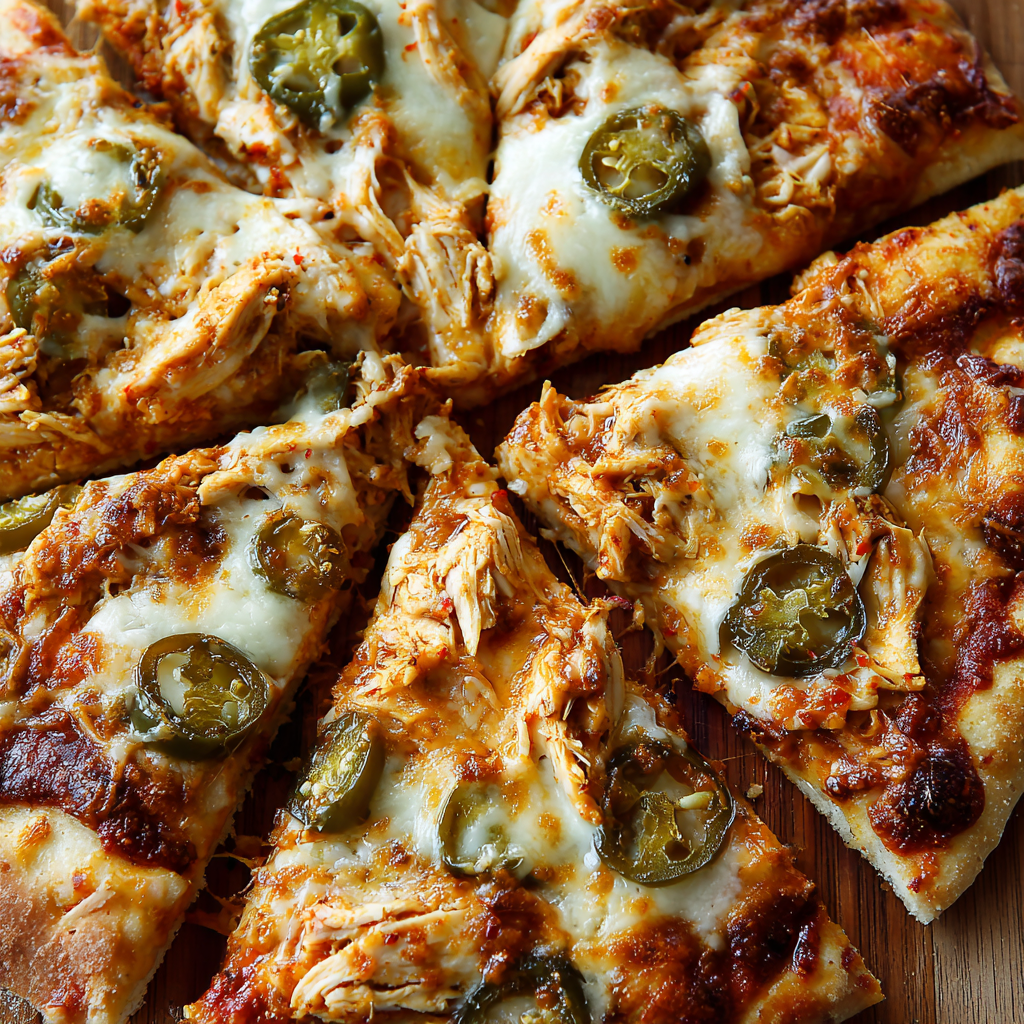
Spicy Chicken and Jalapeño Thin Crust Pizza
Easy homemade thin-crust three-cheese spicy chicken and jalapeño pie — a flavor-packed pizza with a satisfying kick, perfect for pizza night or game day.
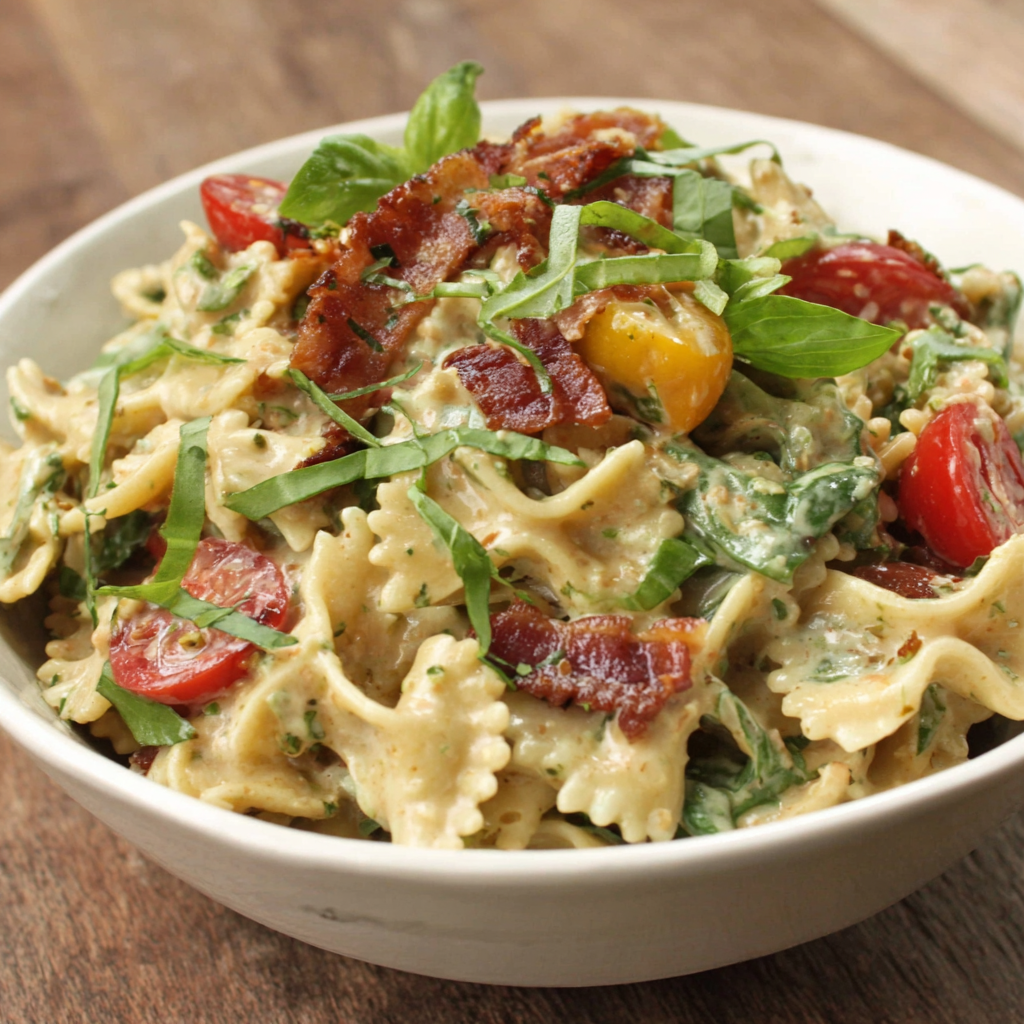
Creamy Pesto BLT Pasta Salad
A bright, creamy BLT pasta salad tossed with basil pesto, fresh greens, cherry tomatoes, and crisp bacon—perfect for warm-weather gatherings and meal prep.
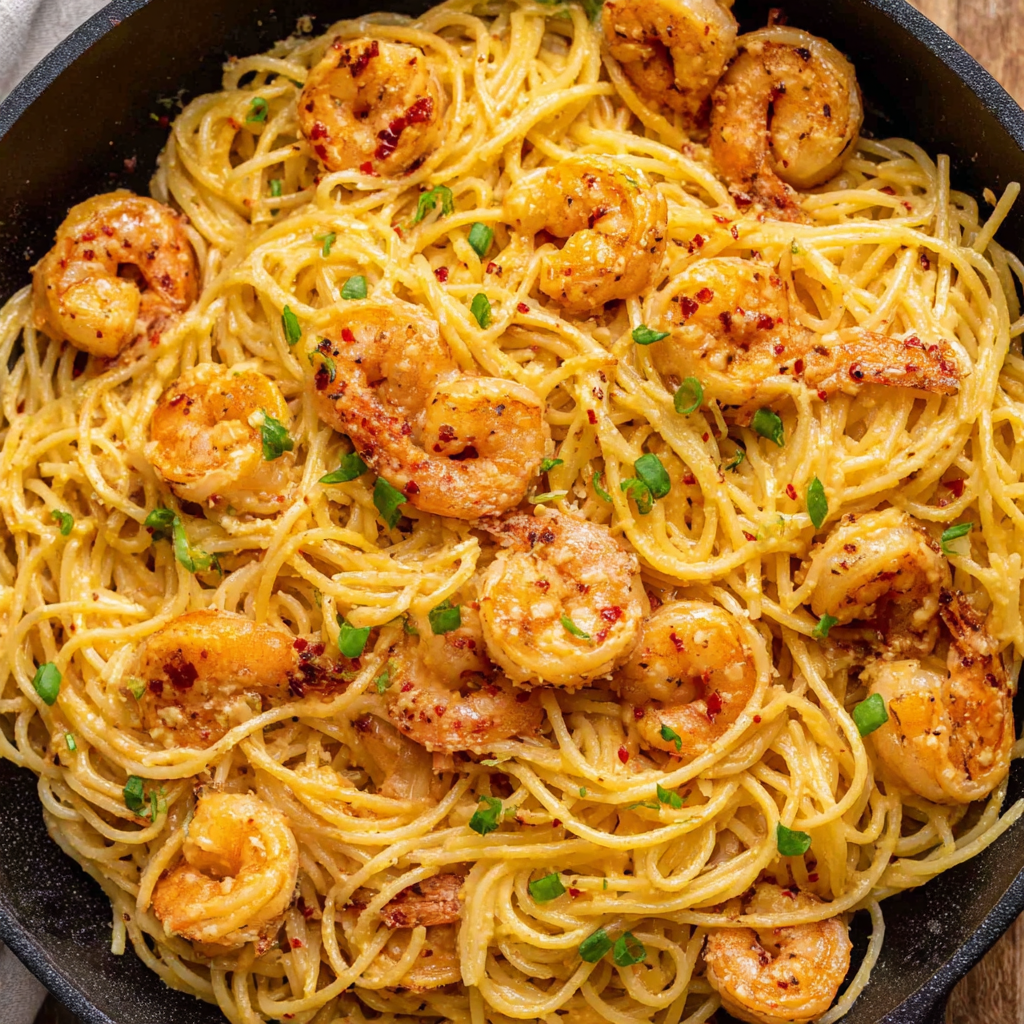
Bang Bang Shrimp Pasta
Tender sautéed shrimp tossed with spaghetti and a creamy sweet-spicy bang bang sauce—ready in under 30 minutes for a weeknight favorite.
Did You Make This?
Leave a comment & rating below or tag @royalrecipe on social media!
Rate This Recipe
Share This Recipe
Enjoyed this recipe? Share it with friends and family, and don't forget to leave a review!
Comments (1)
This recipe looks amazing! Can't wait to try it.
Comments are stored locally in your browser. Server comments are displayed alongside your local comments.
Hi, I'm Amara!
What's Popular
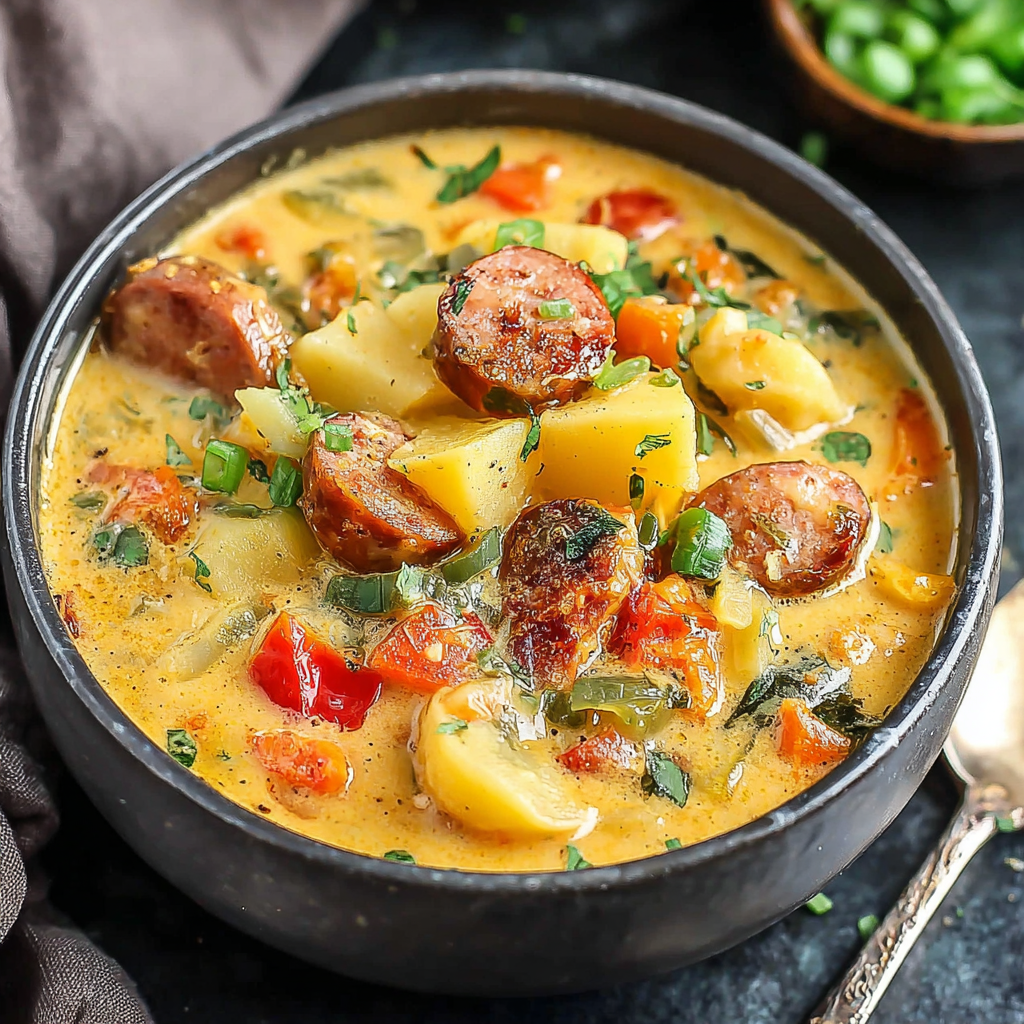
30-Minute Meals!
Join to receive our email series which contains a round-up of some of our quick and easy family favorite recipes.