
Best Fluffy Pancake Recipe
A foolproof method for light, tall, and tender pancakes — simple ingredients, quick technique, and the little secrets that guarantee fluffy results every time.
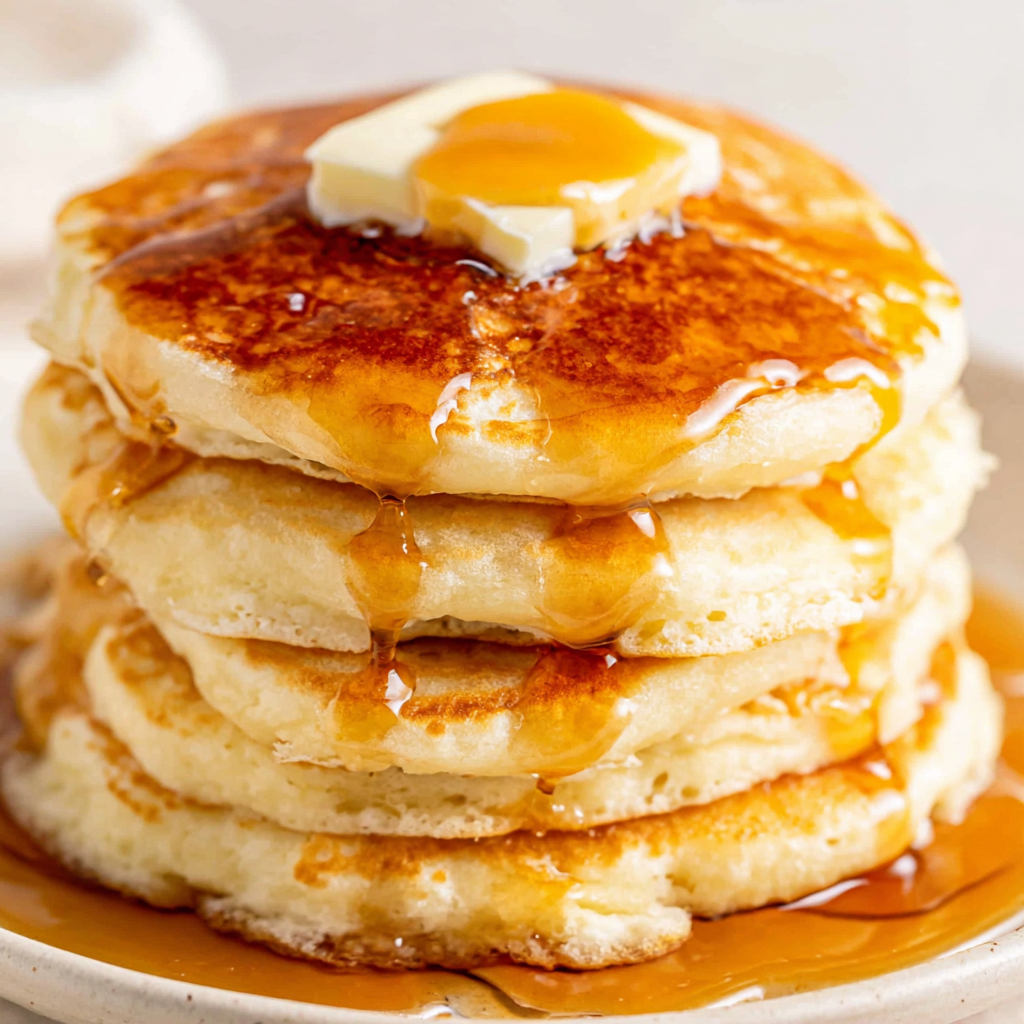
This recipe for the best fluffy pancakes has been my weekend ritual for years. I discovered the exact balance of ingredients and the mixing rhythm during a sleepy Saturday morning when I wanted a stack that would stay airy and tender even after sitting on a plate for a few minutes. The result became our family's favorite: tall, cloud-like pancakes with a crisp edge and a soft, slightly chewy interior that soaks up butter and syrup without collapsing. It’s the sort of breakfast that makes everyone slow down and smile.
I started perfecting this version after testing dozens of batter consistencies and heat settings. The heart of the method is simple: avoid overmixing, use fresh baking powder, and control pan temperature. Those three small adjustments make all the difference between rubbery rounds and truly fluffy pancakes. Over time I've added small tips — like shaping the batter with the back of a spoon and keeping finished pancakes in a low oven — that turn pancake-making from fraught to foolproof. If you want a reliable stack to impress guests or elevate a weekday morning, these techniques will deliver.
Why You'll Love This Recipe
- Quick: ready in about 15 minutes from start to finish — 5 minutes active prep and roughly 10 minutes on the griddle, perfect for busy mornings.
- Simple pantry ingredients: uses common items like all-purpose flour, milk, egg, butter, and baking powder — no special flours or equipment required.
- Consistent results: the volcano mixing method prevents overworking the batter so pancakes stay light and tender every time.
- Customizable: fold in up to 1 cup of fruit or 1/2 cup of chocolate chips without compromising structure; great for family preferences.
- Make-ahead friendly: batter tolerates a short rest and finished pancakes keep warm on a sheet pan in a 200°F oven for serving later.
- Kid-approved and crowd-pleasing: soft texture and mild vanilla flavor pair well with sweet or savory toppings.
My family’s reaction is always the best proof — my niece once declared these "magic pancakes" because they stayed fluffy even after I stacked them while finishing breakfast for everyone. I love how small adjustments (fresh rising agent, gentle mixing, and careful heat control) transformed a basic batter into a consistently impressive breakfast that makes holiday mornings feel special.
Ingredients
- All-purpose flour (1 1/2 cups): Use a spoon-and-level method to measure so you don’t pack the cup; brands like King Arthur or Gold Medal work well. The flour provides structure — too much makes the pancakes dense.
- Baking powder (2 1/2 teaspoons, aluminum-free): The primary leavening agent — make sure it’s fresh. If it’s older than 6 months, double-check it by mixing a pinch with hot water; it should bubble vigorously.
- Salt (1/2 teaspoon): Balances sweetness and enhances flavor. Fine sea salt or table salt both work; use the same teaspoon type across your measuring to stay consistent.
- Sugar (2 tablespoons): Adds a touch of sweetness and helps with browning. Granulated sugar is fine; reduce slightly if topping heavily with sweet syrups.
- Milk (1 1/4 cups): Any milk works — whole milk yields the richest pancakes, but 2% or plant-based milks (soy or oat) also perform well. If using a non-dairy milk, add 1 extra tablespoon for tenderness.
- Egg (1): Room temperature egg incorporates more easily and helps with structure and color. Break it into the liquid so you can whisk it smooth before adding to the flour.
- Butter, melted (3 tablespoons): Adds flavor and tenderness. Unsalted butter is preferred so you can control salt; allow it to cool slightly before adding so it doesn’t cook the egg.
- Vanilla extract (2 teaspoons): Enhances flavor — pure vanilla extract is best, but imitation vanilla will still give good flavor if that’s what you have.
Instructions
Make the batter: In a large bowl, whisk together 1 1/2 cups all-purpose flour, 2 1/2 teaspoons baking powder, 1/2 teaspoon salt, and 2 tablespoons sugar. Push the dry mixture into a shallow well in the center (a volcano). Pour 1 1/4 cups milk, 1 room-temperature egg (lightly broken with a fork), 3 tablespoons melted butter (cooled slightly), and 2 teaspoons vanilla into the well. Stir the liquids gently, then fold the flour into the liquid from the outside in until just combined — stop when you no longer see streaks of dry flour. The batter should be mostly smooth with a few small lumps; overmixing develops gluten and yields tough pancakes. Rest briefly (optional): Let the batter sit for 5 minutes if you have time. This short rest hydrates the flour and allows the baking powder to start working, producing taller pancakes. If you’re in a hurry, cook immediately; the method still works well. Heat the pan: Preheat a non-stick griddle or skillet over medium heat. An electric griddle should be set to between 300°F and 350°F. Lightly grease with butter or nonstick spray; if the butter browns instantly, reduce the heat. The surface should be hot enough that a drop of batter sizzles gently and begins to set. Portion and shape: Pour about 1/4 cup batter per pancake onto the hot surface. Because this batter doesn’t spread widely, use the back of a spoon or the bottom of the measuring cup to nudge the batter into a round shape. Watch the edges — they’ll look more defined and small bubbles will form on the surface when the first side is ready (about 1 3/4 to 2 minutes). Flip and finish: When the surface shows bubbles and the edges look set, flip the pancake with a thin spatula and cook the second side slightly less time (about 1 to 1 1/2 minutes) until golden. Do not press down after flipping — pressing deflates the interior and results in dense pancakes. Remove to a sheet pan and keep warm if you’re stacking many pancakes. Serve immediately: Serve stacks of pancakes topped with butter, maple syrup, fresh fruit, or a dusting of powdered sugar. For parties, hold pancakes in a 200°F oven on a wire rack over a sheet pan to maintain texture while you finish the batch.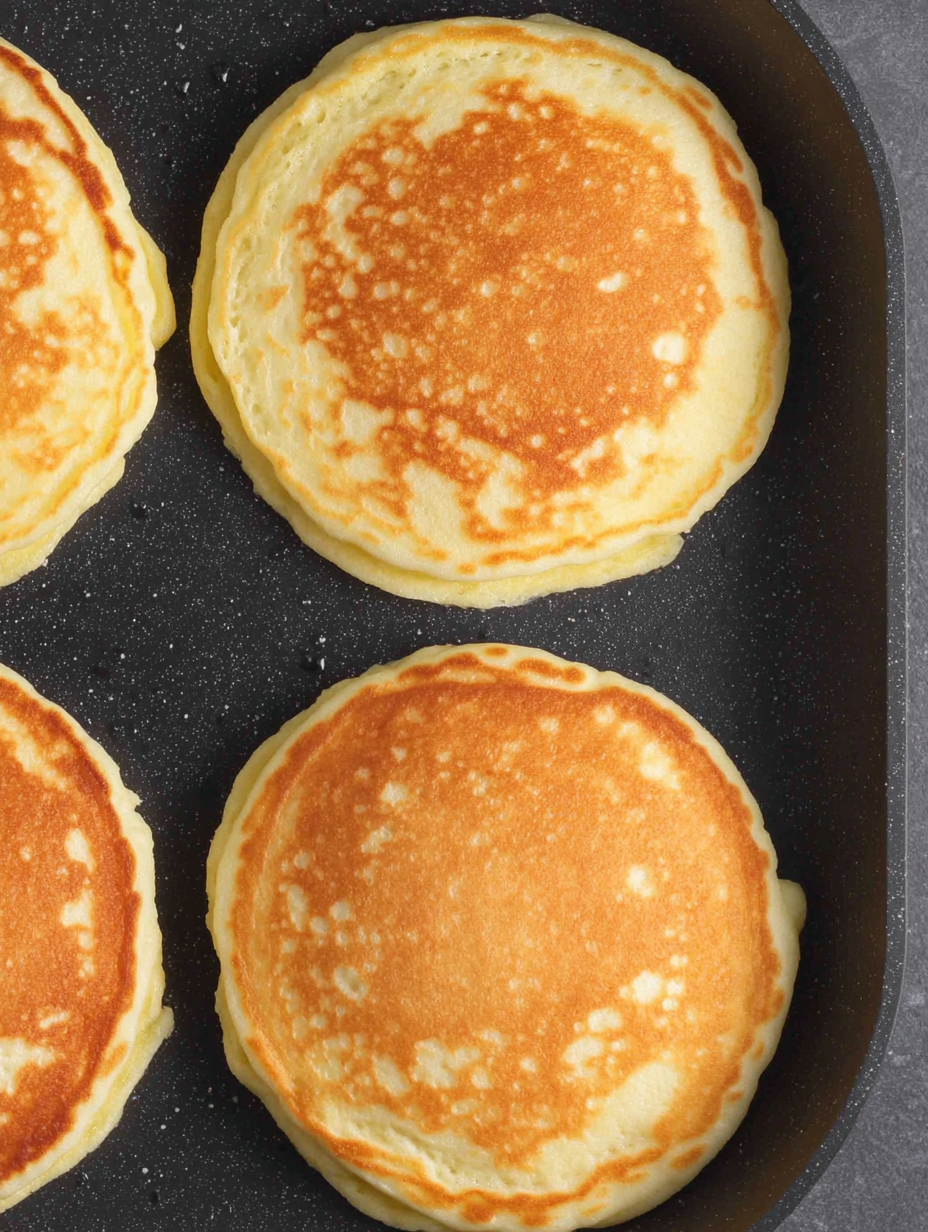
You Must Know
- Nutrition snapshot: roughly 190 kcal per serving (serving = 2 pancakes), with about 27 g carbs, 7 g fat, and 4 g protein — a satisfying breakfast portion.
- Storage: cooled pancakes keep well in the refrigerator for up to 3 days and freeze flat for up to 3 months; reheat in a toaster oven or microwave from frozen.
- Baking powder is essential: inactive baking powder is the most common reason for flat pancakes — always check freshness.
- Texture control: the batter should be pourable but not runny; if too thick, add 2 tablespoons milk; if too thin, add 1 to 2 tablespoons flour and wait 5 minutes.
My favorite part is how forgiving this method is: once you master the pan temperature and the "mix until mostly combined" rule, producing fluffy pancakes becomes second nature. Family breakfasts feel relaxed because the stack can be kept warm in the oven while you finish cooking, and kids love adding mix-ins right before cooking.
Storage Tips
Allow pancakes to cool on a wire rack to prevent condensation if you plan to refrigerate. Store in an airtight container lined with a paper towel to absorb excess moisture; they will keep for up to 3 days in the fridge. For longer storage, freeze pancakes in a single layer on a baking sheet, then transfer to a freezer bag and freeze for up to 3 months. Reheat from frozen in a toaster or in a 350°F oven for 8–10 minutes on a wire rack to restore crisp edges while warming the center.
Ingredient Substitutions
Want to swap ingredients? Replace whole milk with 2% or unsweetened oat milk (add 1 tablespoon extra milk for richness if using a thin plant milk). For dairy-free pancakes, use a dairy-free butter substitute and a non-dairy milk; keep the melted fat at room temperature before adding. For gluten-free, substitute a 1-to-1 gluten-free flour blend and add 1/4 teaspoon xanthan gum if the blend doesn’t contain it. Note: leavening behavior may vary, so expect slightly different rise and texture.
Serving Suggestions
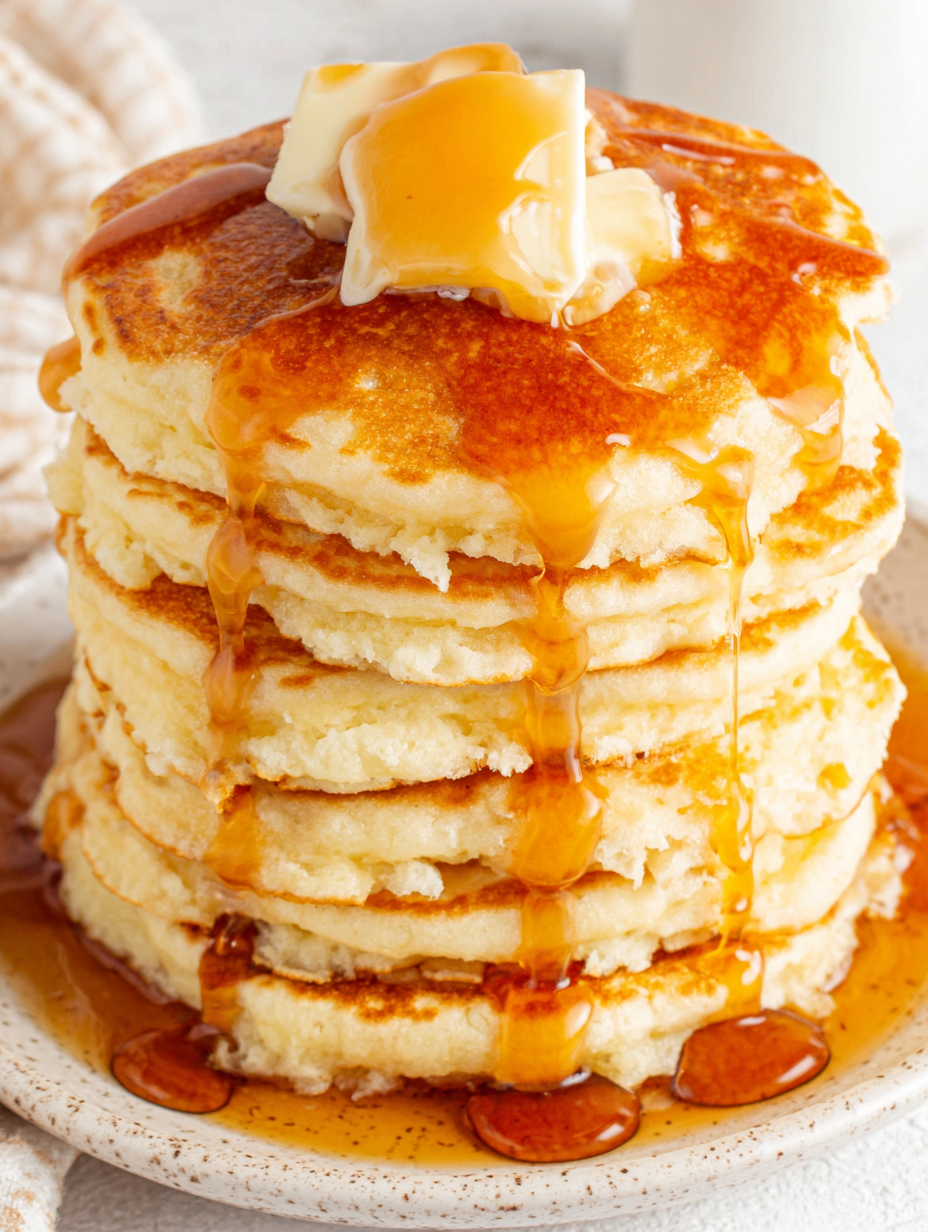
Serve stacks with warm maple syrup and a pat of butter for the classic approach. For a brunch spread, offer bowls of fresh berries, sliced bananas, toasted nuts, yogurt, and flavored syrups (berry or caramel). Savory lovers can top pancakes with browned sausage and a fried egg, or serve alongside crispy bacon and a smear of herb butter. A squeeze of lemon and a dusting of powdered sugar is a bright finish when folded fruit is in the batter.
Cultural Background
Pancakes are one of the world’s oldest breakfast foods, with variations in nearly every culture. The American-style pancake, tall and leavened with baking powder, diverges from thin European crêpes and yeast-risen griddlecakes. This particular method — relying on chemical leavening and a gentle mixing technique — is a classic North American approach that emphasizes height and tenderness rather than thinness or crispness.
Seasonal Adaptations
Adapt this base for any season: fold in diced apples, cinnamon and a pinch of nutmeg in fall; add blueberries or lemon zest in spring and summer; stir in orange zest and chopped dried cranberries around the holidays. For a winter brunch, try brown butter and chopped toasted pecans folded into the batter just before cooking for a nutty, caramelized flavor.
Meal Prep Tips
Make the batter in the morning and store it briefly in the refrigerator for up to 2 hours; resting helps hydrate the flour. Cook pancakes and cool them on a wire rack before dividing into meal-size portions; vacuum-seal or freeze flat for grab-and-heat breakfasts. For reheating, a quick toast restores crispness much better than the microwave, but the microwave is fine for a fast warm-up if you cover them to retain moisture.
These pancakes are a small ritual that brings people together; whether you’re feeding a sleepy weekday household or entertaining brunch guests, the easy technique and reliable texture make them a dependable favorite. Try the small tips here and make them your own — switch mix-ins, experiment with toppings, and enjoy the simple pleasure of a perfect stack.
Pro Tips
Use the volcano mixing method and stop when you no longer see streaks of dry flour to avoid overmixing.
Measure flour using the spoon-and-level method to prevent packing too much flour into the cup.
Keep finished pancakes on a wire rack in a 200°F oven to stay warm and maintain texture.
If using an electric griddle set it between 300°F and 350°F for even cooking.
This nourishing best fluffy pancake recipe recipe is sure to be a staple in your kitchen. Enjoy every moist, high protein slice — it is perfect for breakfast or as a wholesome snack any time.
FAQs about Recipes
What if my batter is too thick or too thin?
If the batter is too thick, add 2 tablespoons of milk and stir gently. If too thin, add 1–2 tablespoons flour and let rest 5 minutes.
How do I keep pancakes warm for serving later?
Keep cooked pancakes on a wire rack in a 200°F oven on a sheet pan to stay warm without getting soggy.
How can I tell if my baking powder is fresh?
Test baking powder by dropping a pinch into hot water; it should bubble vigorously if fresh. Replace if it doesn’t.
Tags
Best Fluffy Pancake Recipe
This Best Fluffy Pancake Recipe recipe makes perfectly juicy, tender, and flavorful steak every time! Serve with potatoes and a side salad for an unforgettable dinner in under 30 minutes.
Ingredients
Batter
Instructions
Combine dry ingredients
Whisk together the flour, baking powder, salt, and sugar in a large bowl until evenly distributed.
Add wet ingredients
Make a well in the dry ingredients and pour in milk, lightly beaten egg, melted butter, and vanilla. Mix the liquids first, then fold the dry into the wet until just combined.
Rest the batter (optional)
Let the batter rest for up to 5 minutes to hydrate the flour and activate the leavening for taller pancakes.
Preheat the griddle
Heat a non-stick griddle or skillet to medium (300°F–350°F for electric griddle). Grease lightly with butter or spray.
Portion and cook
Pour 1/4 cup batter per pancake, shape with the back of a spoon, cook until bubbles form and edges set (~1 3/4 to 2 minutes), flip and cook 1–1 1/2 minutes more.
Keep warm and serve
Transfer cooked pancakes to a wire rack on a sheet pan and keep in a 200°F oven until ready to serve; top as desired.
Last Step: Please leave a rating and comment letting us know how you liked this recipe! This helps our business to thrive and continue providing free, high-quality recipes for you.
Nutrition
Did You Make This?
Leave a comment & rating below or tag
@royalrecipe on social media!
Categories:
You might also like...
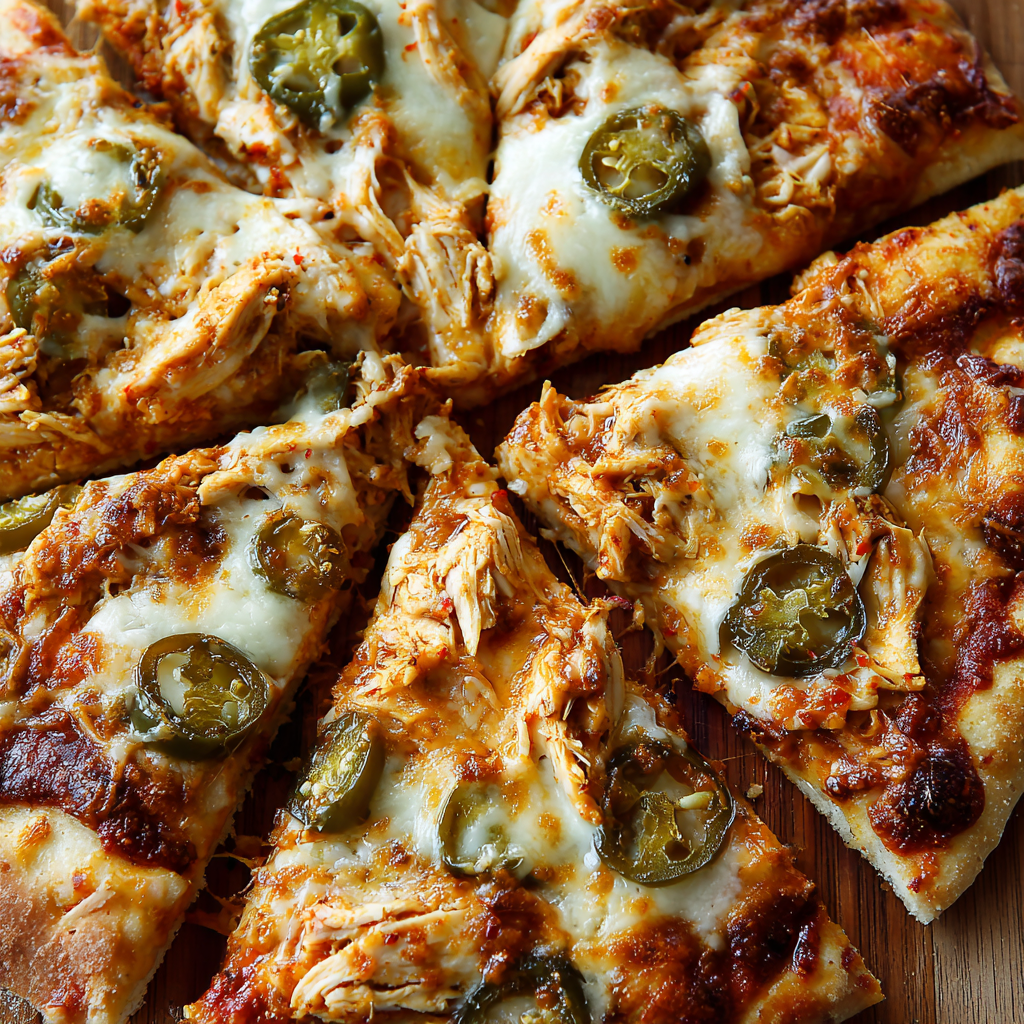
Spicy Chicken and Jalapeño Thin Crust Pizza
Easy homemade thin-crust three-cheese spicy chicken and jalapeño pie — a flavor-packed pizza with a satisfying kick, perfect for pizza night or game day.
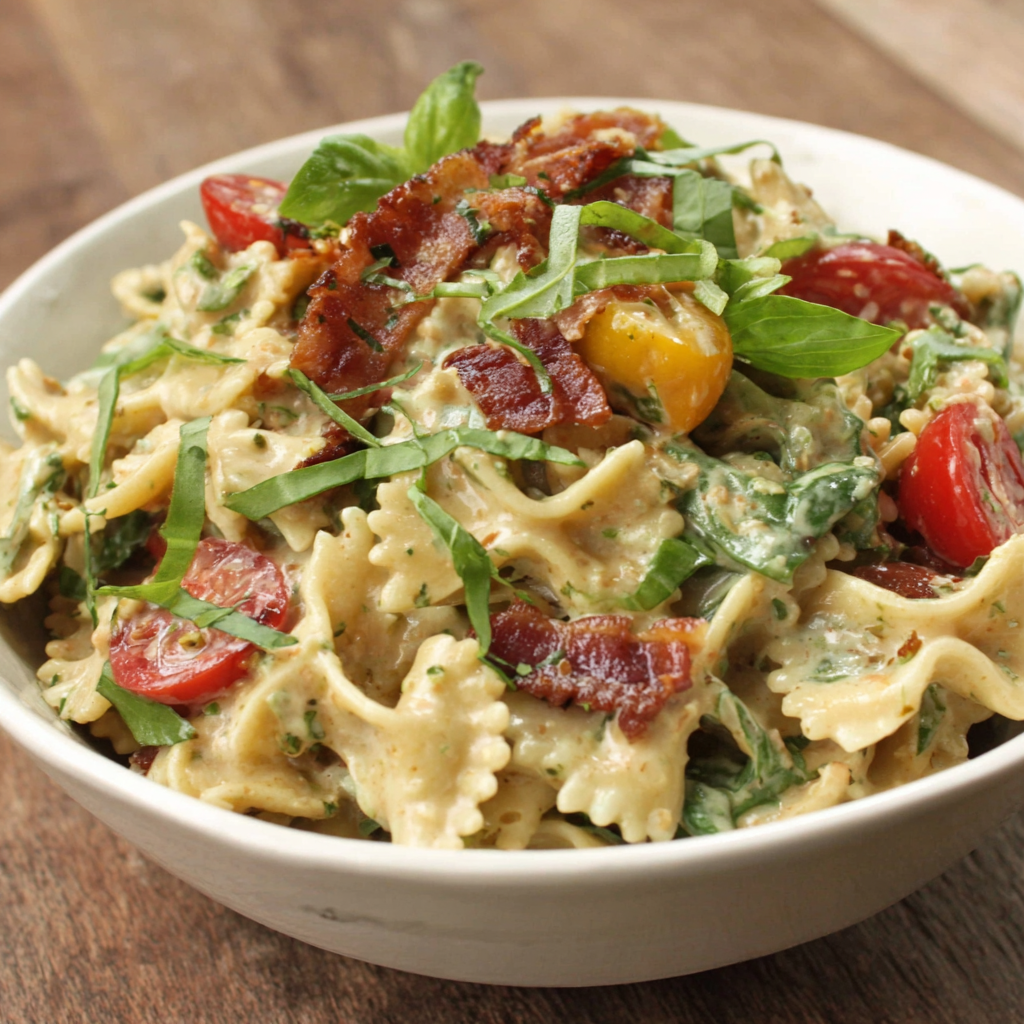
Creamy Pesto BLT Pasta Salad
A bright, creamy BLT pasta salad tossed with basil pesto, fresh greens, cherry tomatoes, and crisp bacon—perfect for warm-weather gatherings and meal prep.
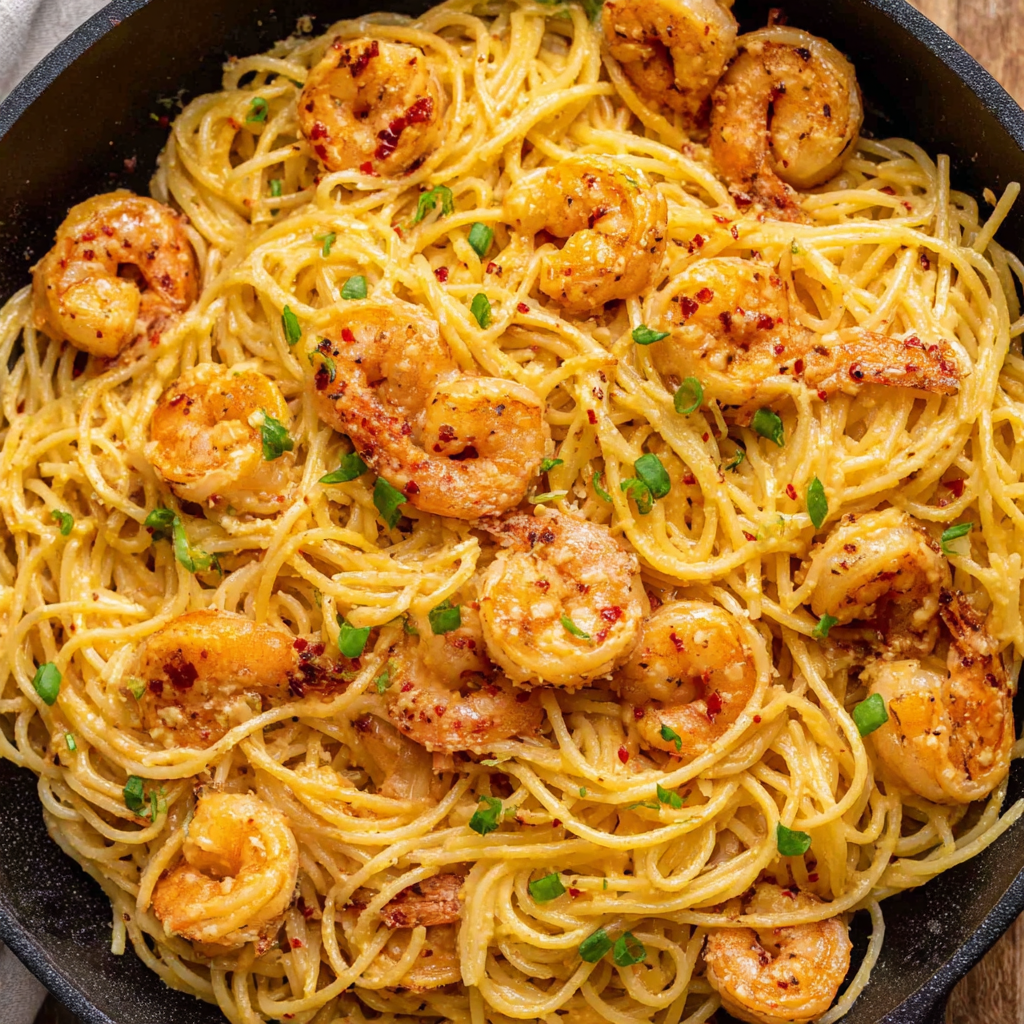
Bang Bang Shrimp Pasta
Tender sautéed shrimp tossed with spaghetti and a creamy sweet-spicy bang bang sauce—ready in under 30 minutes for a weeknight favorite.
Did You Make This?
Leave a comment & rating below or tag @royalrecipe on social media!
Rate This Recipe
Share This Recipe
Enjoyed this recipe? Share it with friends and family, and don't forget to leave a review!
Comments (1)
This recipe looks amazing! Can't wait to try it.
Comments are stored locally in your browser. Server comments are displayed alongside your local comments.
Hi, I'm Amara!
What's Popular
30-Minute Meals!
Join to receive our email series which contains a round-up of some of our quick and easy family favorite recipes.